June at a Glance: Yearlings leave mom and search for food, shelter and a place of their own. Adult males travel far and wide looking for mates. Nursing moms venture farther from home base searching for food. Cubs keep growing and developing. Spring lessons can be life-changing.
Yearlings Move Out
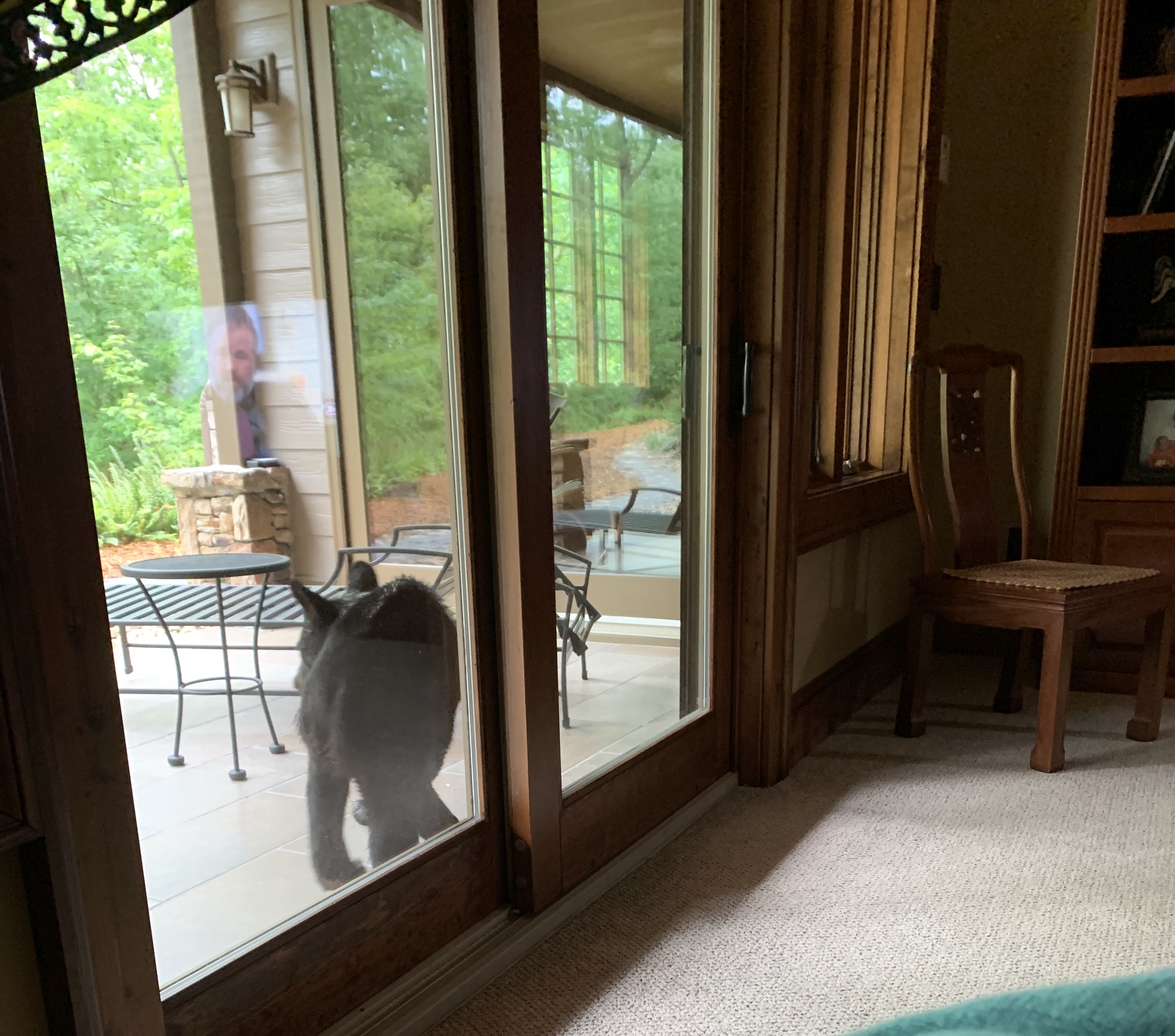
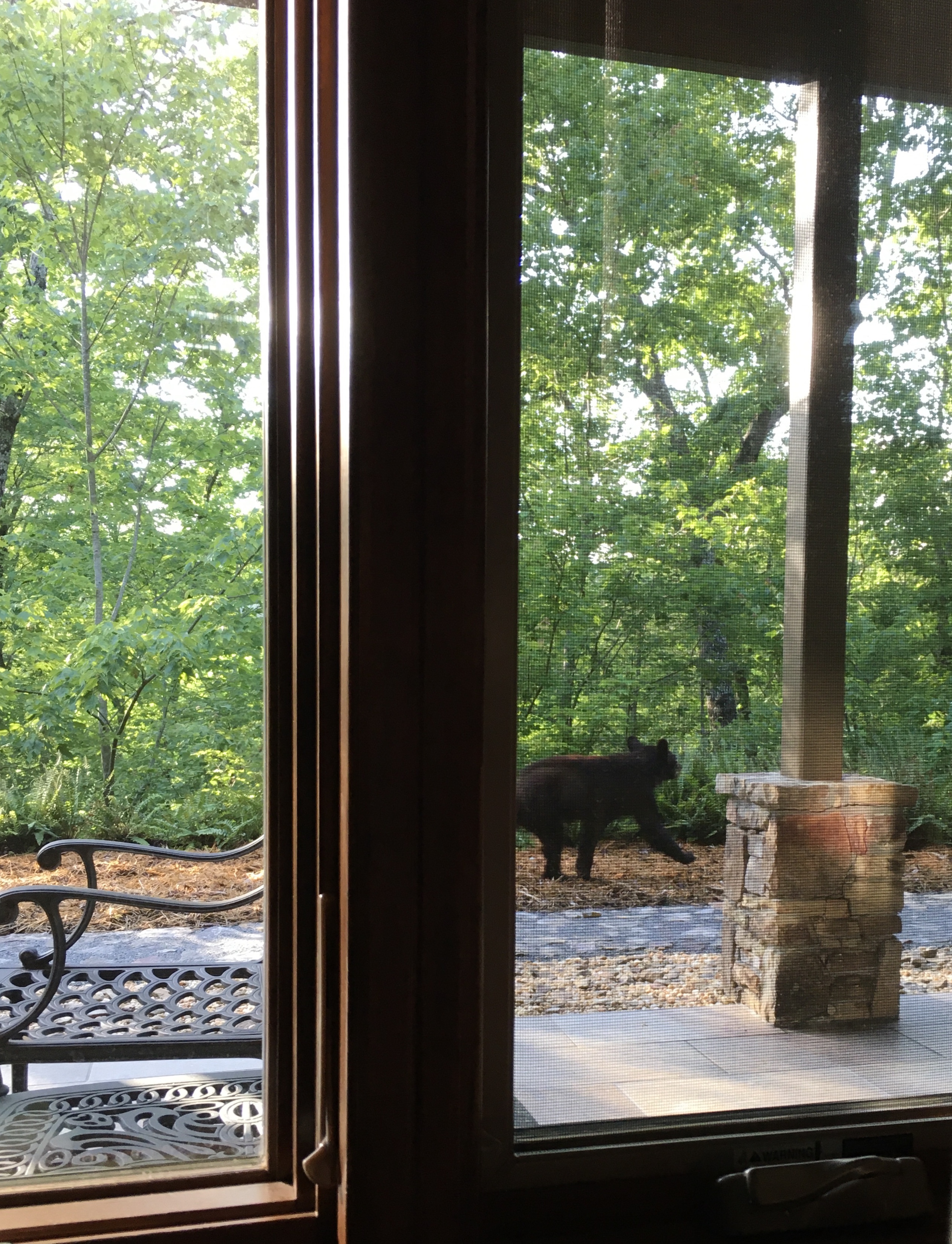
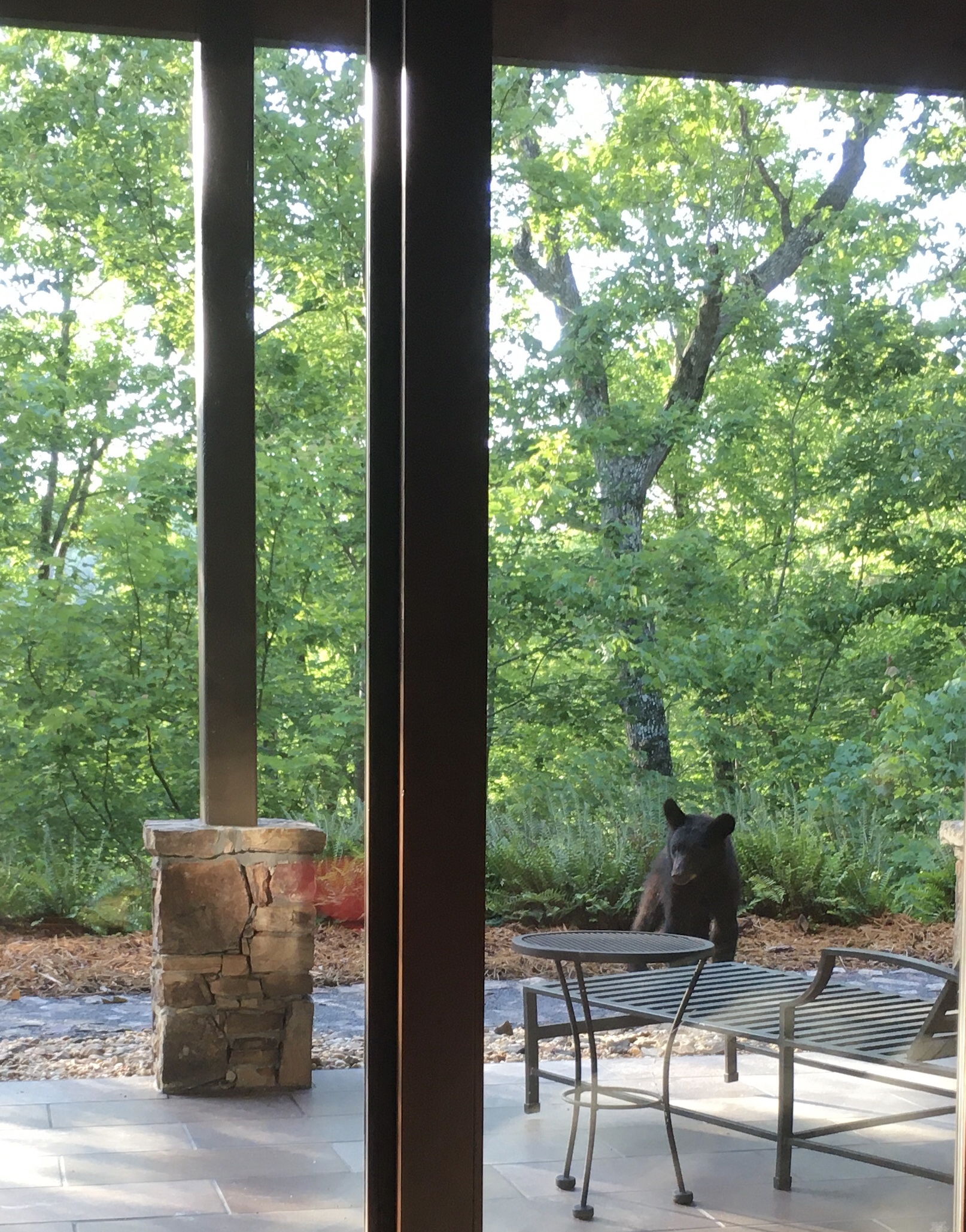
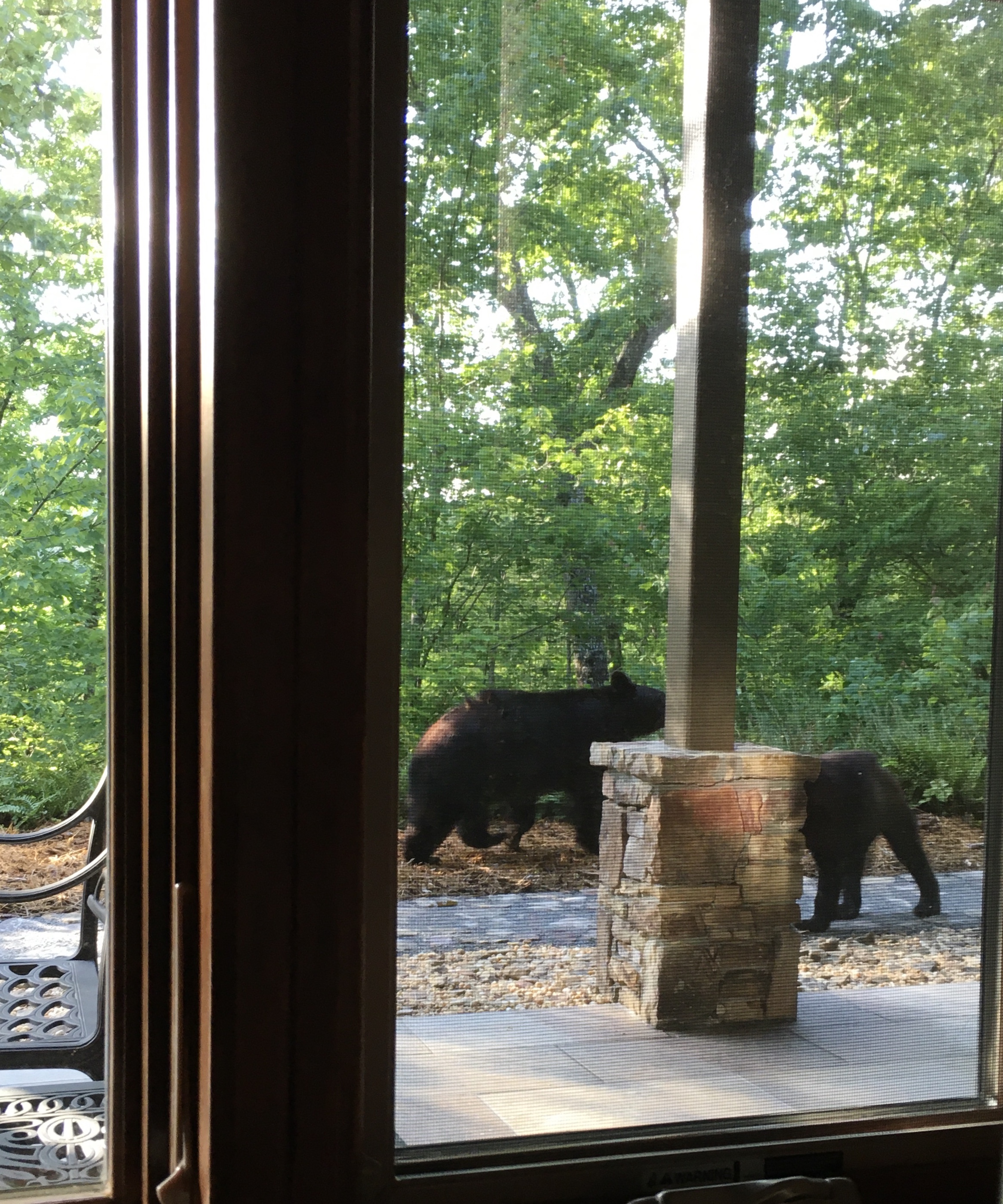
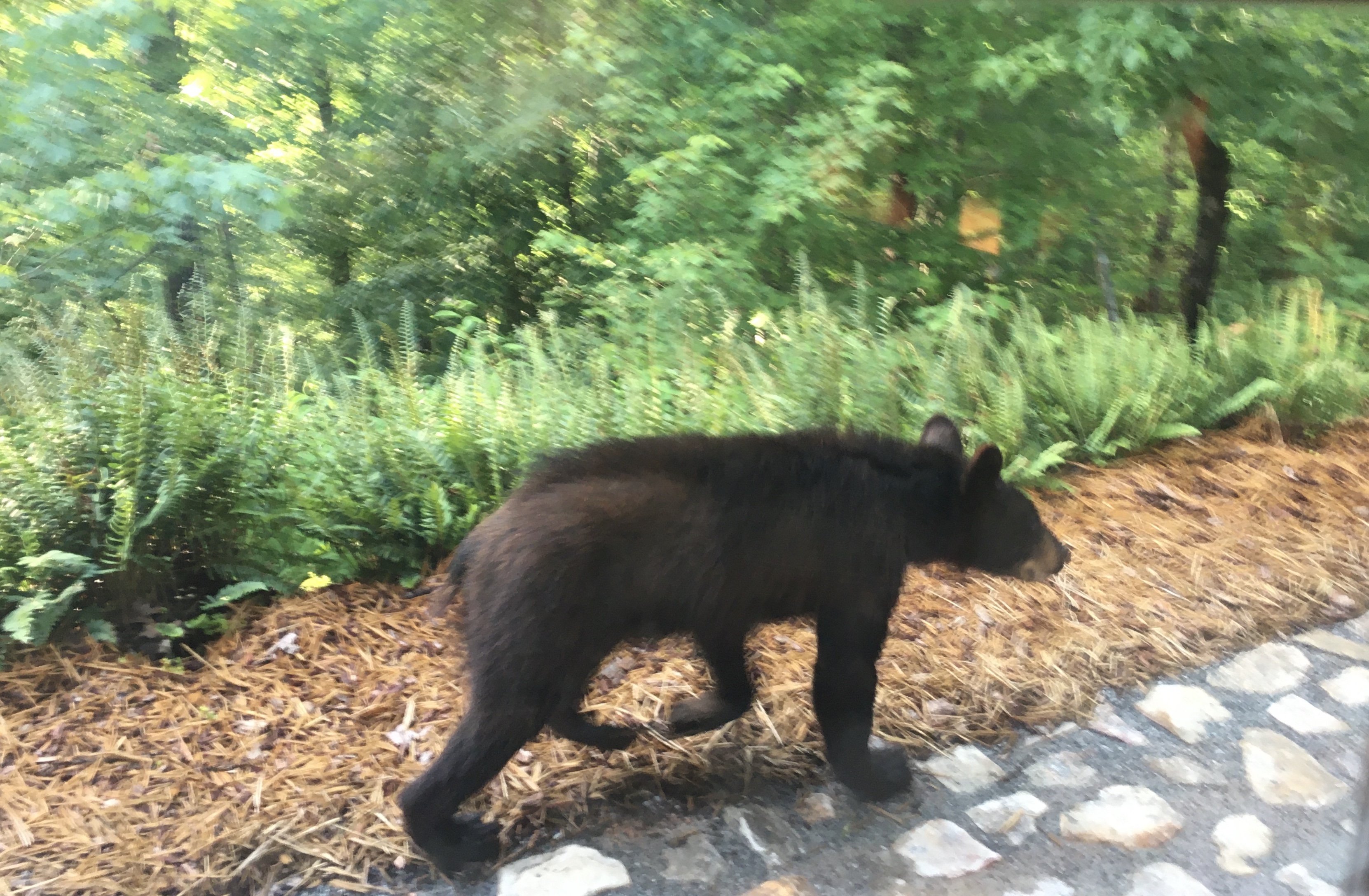
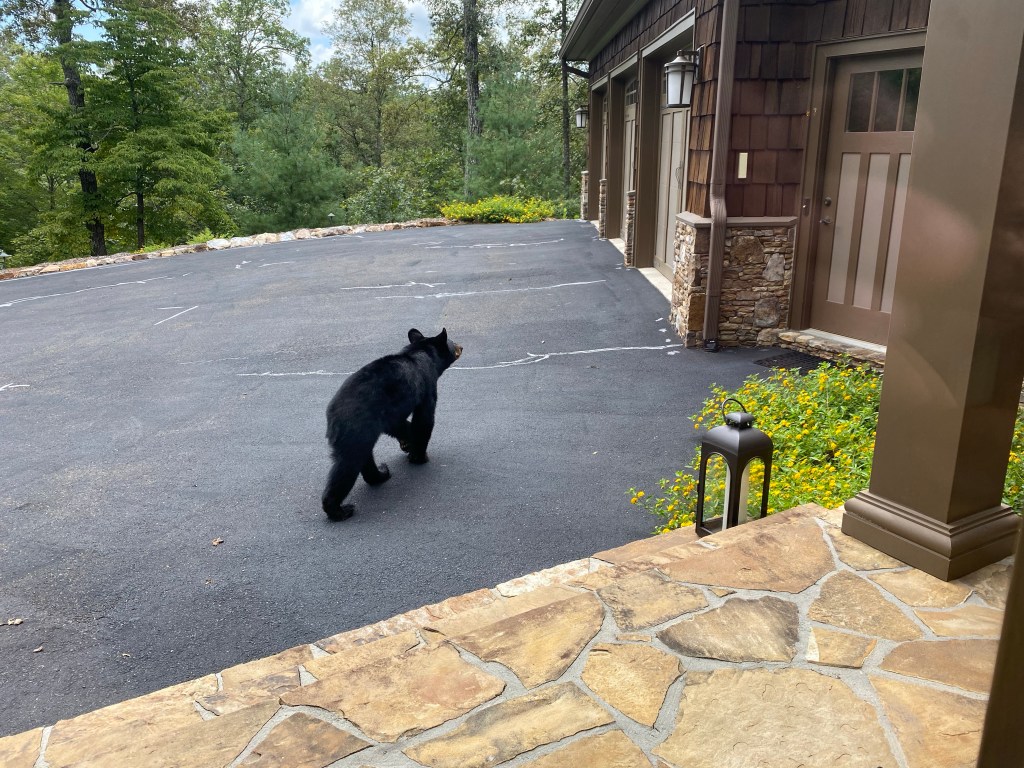
Bears that were born last spring and denned up with mom this past winter are now 18-month old yearlings. If all goes well, they’ll be the size of a medium-sized dog by the end of June, although their fur coats can make them look larger. Yearling females are often allowed to move in next door to their mom. Yearling males are strongly encouraged to move out and go find a new territory of their own, so most young bears wandering far from home are males.
SPRING LESSONS CAN BE LIFE-CHANGING
No matter how big and furry they look, yearling bears are all trying to figure out how to live without their mom’s help. They are often lonely and lack the fully developed survival skills of an adult bear. They are also hungry and inquisitive and will instinctively check out anything that seems as if it might be a source of food.
Like human teenagers, they are at a very impressionable stage of life. If they quickly discover that human places should be avoided, they will learn to support themselves as wild bears. If they find the backyard pickings are easy, they start down a road that is often a dead end. No matter how cute they look and how hungry they are, the best thing you can do to help yearlings grow up wild is to make sure there’s nothing around your home to attract them.
Adult Bears Look For Mates
Female bears that are now empty-nesters as well as mature females that didn’t give birth last winter will soon be ready to mate. Female bears seldom leave their home ranges; for the good of the gene pool, they let the males come find them. A female bear may mate with several different males, and it’s not uncommon for litter-mates to all have different fathers.
Adult bears have home ranges, not exclusive territories. A home range needs to be large enough to provide food, water, shelter and mates. The size of a home range varies greatly, but a male bear’s home range can be up to 300 square miles, typically five or six times larger than a female’s living in the same general area. Bears share their home ranges with other bears of both sexes, but not at the same time except for a male and female during breeding season or yearlings that are still hanging out with each other.
Read more at Bear Wise:
https://bearwise.org/what-bears-do-in-june/










 Tranquility at Carters Lake Owners Association
You must be logged in to post a comment.