Carters Lake

May 11, 2024 at 10:52 pm
Harris Creek
After the storms…
If you find a bear cub…
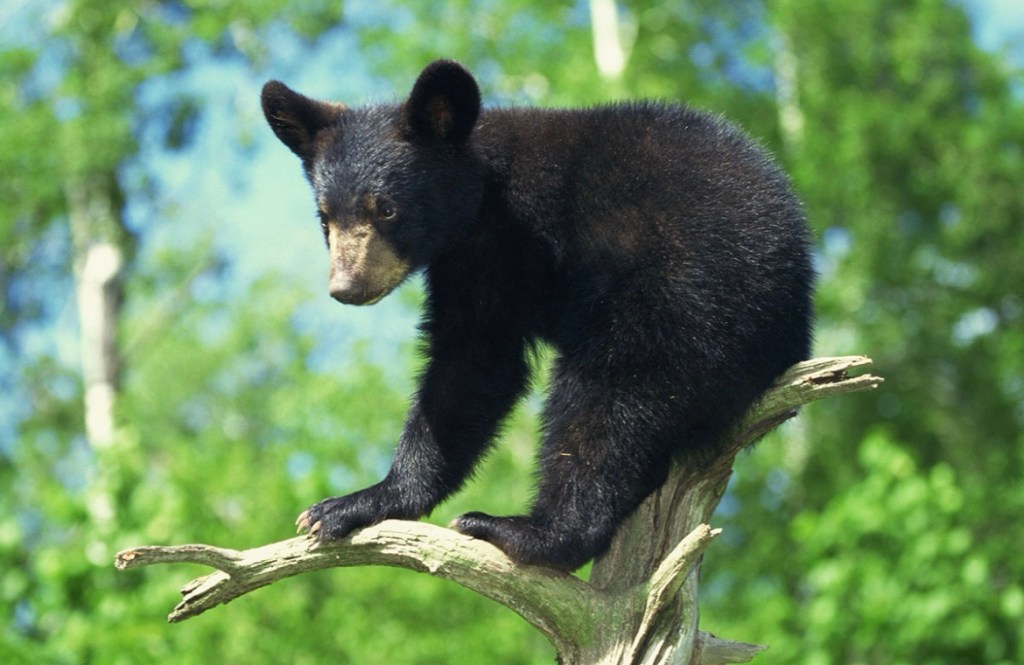
May at a Glance:All bears visit all the places where they reliably found food last year. Cubs learn how to climb up (and down) trees, and learn to “talk.” Cubs are still nursing, but start experimenting with bear food. Mother bears sometimes leave the youngsters alone and travel up to two miles to search for food. Cubs that are alone aren’t usually orphaned or abandoned.
Home Alone, Not Abandoned
If you come across a bear cub (or two or three) that seem to be abandoned, mom is probably off industriously searching for food and has left the cubs in or under a “babysitter tree.” It takes a lot of calories to stay in nursing shape and keep the cubs well-fed and growing; the mother bear may be two miles away. Or mom may be hiding nearby, stressed out and waiting for you to leave, so the longer you hang around, the longer the cubs will be on their own.
If you see bear cubs all alone, don’t pick them up or touch them. If you believe they are truly orphaned, take a quick photo of the cubs that shows the location (no selfies, please), note GPS coordinates if you can, and leave the area. Contact your state wildlife agency for further guidance.
How Big Is That Bear Cub?
Some cubs are born bigger and stronger than others, and litter mates can develop and grow at very different rates. In May, mother bears are still nursing their rambunctious youngsters. Cubs will begin experimenting with bear food, but typically aren’t fully weaned until late summer. A steady diet of their mother’s rich milk helps black bear cubs grow from about five pounds at eight weeks old to somewhere between 40 and 60 pounds by six months.
Close To Home
Mom and cubs hang close to the den at first. Cubs shadow their moms and start learning and mimicking some behaviors and vocalizations. Mother bears have a lot to teach their youngsters over the summer and fall so they’ll grow big and strong and know how to take care of themselves by next summer.
Polar bear cubs often get to ride piggyback on land, but young black bear cubs usually follow their moms. Cubs quickly learn to stick together and close to mom; mother bears will sometimes pick up a cub by holding its head in her mouth if one of them is lagging behind or having trouble getting over an obstacle. And occasionally a cub will “climb” up mom’s leg for a rest and a ride.
Ups And Downs Of Climbing
For cubs, climbing up is instinctive. By May cubs can scoot up a tree faster than you can say “Look at that cute bear cub!” Cubs seem to enjoy climbing and will sometimes climb way up into the tree and then discover they’re not sure how to get back down again. Sometimes mom must climb up and show the cubs the proper technique for safely backing down the tree, which is pretty much the same way people back down a ladder, only faster.
Cubs Learn Bear Talk
Mother bears will spend the next several months teaching their cubs everything they need to know to eventually survive on their own. One of the first lessons are the vocalizations that mean “Danger! Get up that tree now! And “It’s safe to come down.” Cubs instinctively know how to cry “I’m hungry” and “I’m scared.” A mother bear sometimes sends the youngsters up a tree to keep them safe while she stretches out on the ground below and takes a much-needed nap.
Where’s The Food?
Bears have a built-in GPS, great long-term memories and an uncanny ability to find their way back to anywhere they found reliable sources of food last year. So, if you had any bear visits last year, make sure the bird feeders are down, there’s no pet food or birdseed outside and the garbage is in bear-resistant containers or stored securely somewhere bears can’t see, smell or get at it. Screened-in porches, inside the garage that’s always open, in your truck bed or outside the back door are not secure places.
Thanks for being BearWise and giving cubs a better chance to grow up wild.

Courtesy of BearWise® http://www.BearWise.org
Carters Lake

Today at our gates…

Harris Creek: Tranquility Park
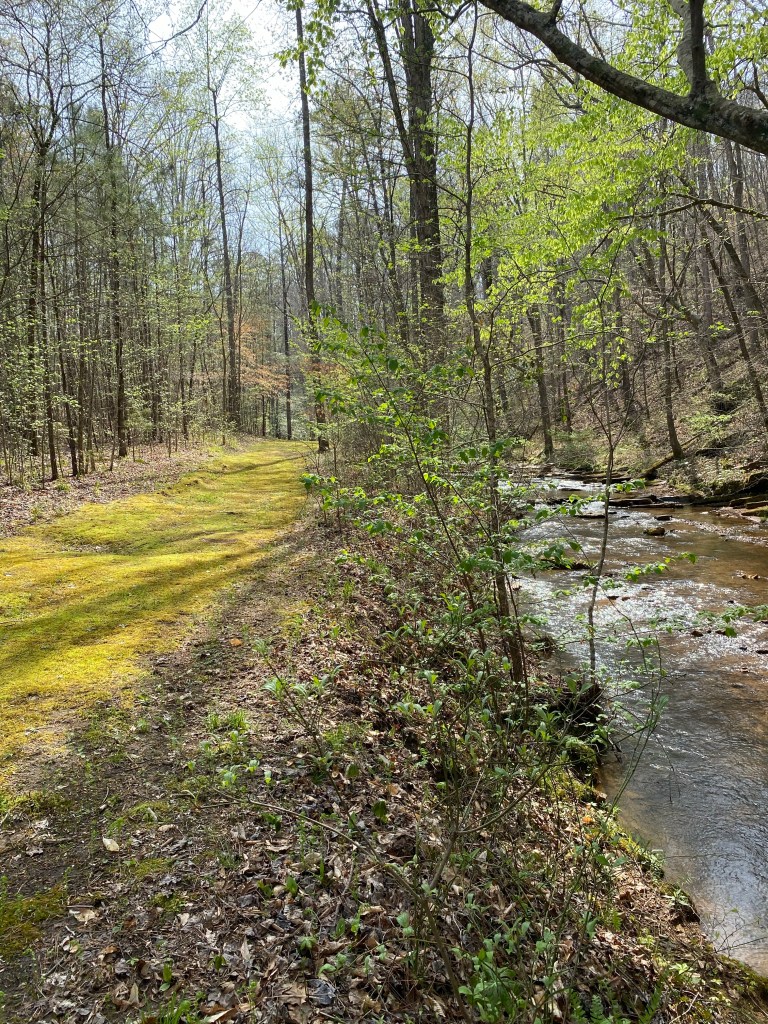
Now is the perfect time to walk our Nature Trail and enjoy the beauty of Harris Creek.
🐻What are bears up to in April?🐻
APRIL AT A GLANCE
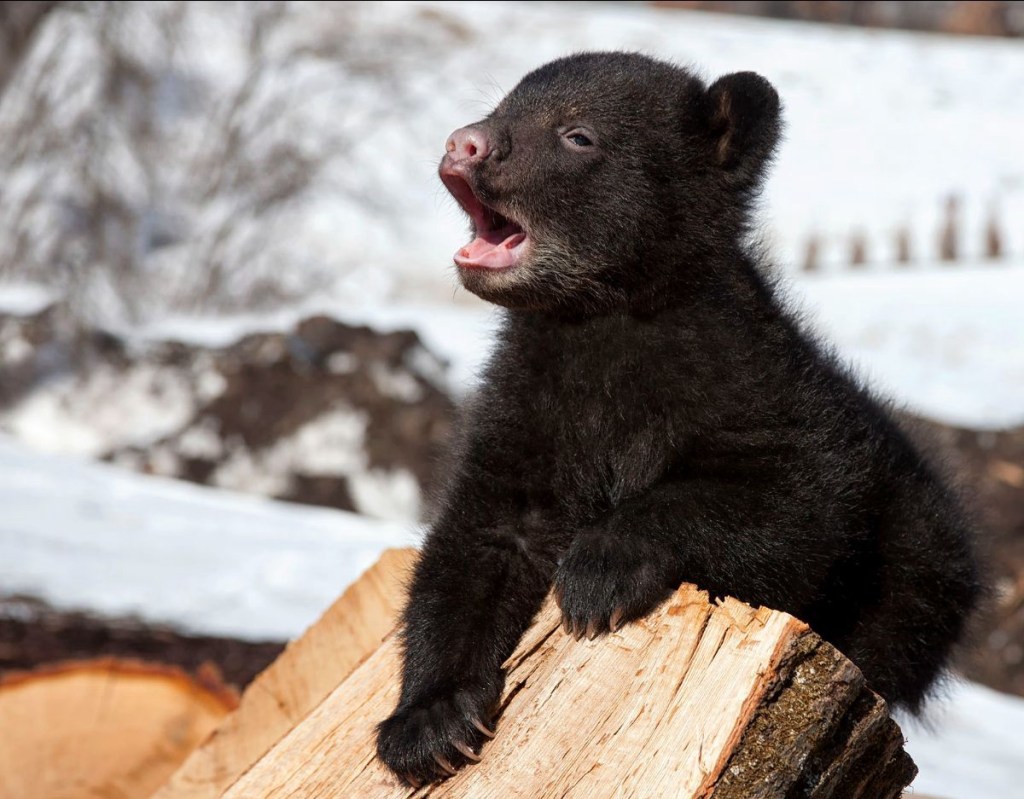
- Most bears leave their dens for good.
- Cubs get their first look at their new world.
- Mother bears continue to nurse and keep their den and cubs clean.
- Bears that found human-provided foods last year head straight for these food sources.
Long Winter’s Nap Ends
By the end of April most bears have left their dens for good. The days begin to lengthen, temperatures warm up and spring arrives, bringing with it nutritious spring grasses and budding plants. In areas where snow covered the ground, the spring melt often reveals the carcasses of animals that died over the winter as well as the last fruits, nuts and berries of fall, all good food for hungry bears. One bear in California was observed following its nose for more than three miles directly to the carcass of a winter-killed deer.
Wake Up and Smell the Ants
After acclimating to the world, bears start feeding on early spring greenery as well as any insects they can find, including ants, bees and termites.
The Search for Food
Hibernating bears can lose 20 to 50 percent of their body weight over the winter; bears are still living off their fat reserves in the spring. So, after a few days of drinking water, eating some roughage and stretching their legs, bears begin searching for more food. Bears have great memories, so bears that learned to rely on high-calorie, human-provided food sources last year make a beeline for the bounty.
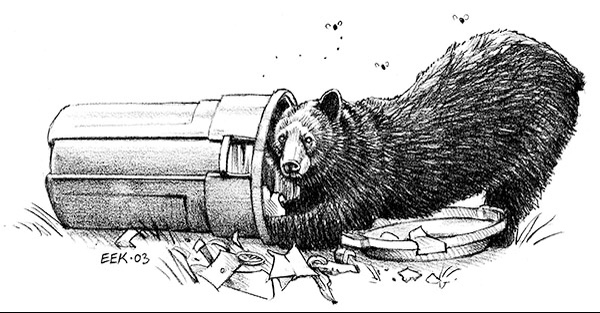
Now’s the time to secure your garbage, make sure pet food is safely stashed inside and take down your bird feeders.
A Reminder…
As we begin to enjoy warmer weather and Carters Lake…

Attract Backyard Birds, Not Backyard Bears
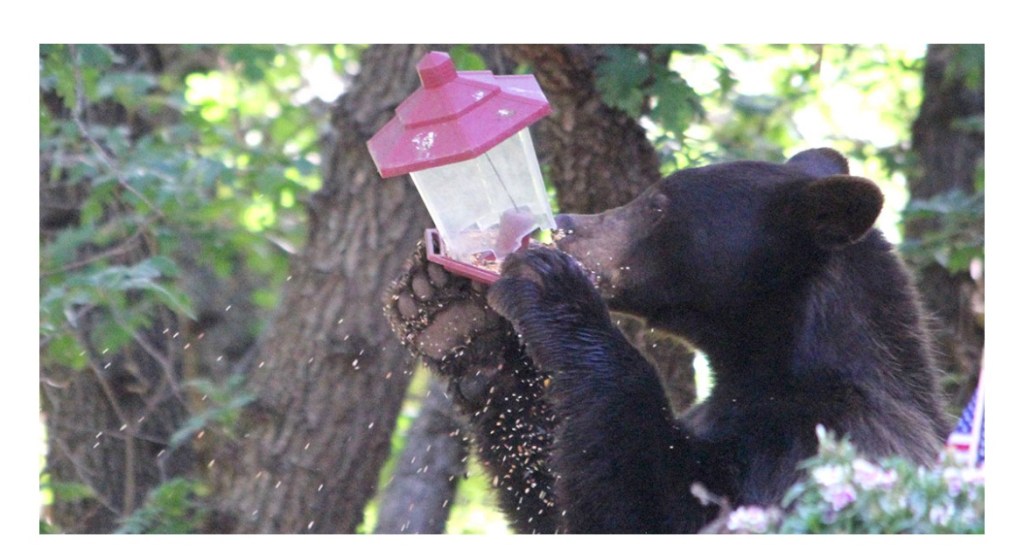
More than 70 million people – one in four households – use bird feeders to attract birds. People buy more than four billion pounds of birdseed every year, according to a 2021 analysis from the Wild Bird-Feeding Institute. At about 2,600 calories a pound for black-oil sunflower seed, that adds up to more than ten TRILLION calories.
Statistically speaking, that means an industrious bear has a one in four chance of finding a backyard-calorie bonanza. Bears are intelligent, resourceful and quickly learn from experiences. So once a bear discovers that bird feeders are handy carry-out containers full of highly nutritious food, it will explore every backyard it comes across, looking for more.
The National Audubon Society and the National Wildlife Federation agree: It’s not responsible to feed birds during the months when bears are active. They recommend taking feeders down from mid-March through mid-November. BearWise recommends checking with your wildlife agency to see when bears start to emerge in your area.
Worried that taking down your feeders will hurt the birds? Many research studies show that in general, birds don’t need to be fed during late spring, summer and fall when natural foods are plentiful and young birds are learning how to feed themselves.
Do you care about bears, but don’t want to give up watching birds? Here’s how you can attract more birds without endangering bears.
A Bird-Friendly Landscape Attracts Birds Year-Round
Creating a bird-friendly landscape with beneficial plants, safe places to perch and nest, water sources and other natural features will attract many more species of birds than a bird feeder, including insect eaters and other birds that never visit feeders. And when birds feel at home, they hang around much longer than when they’re dropping in for a quick meal.
Plant For Birds

Conservationists recommend planting native plants, flowers, bushes, vines, trees and evergreens whenever possible. Birds are attracted to plants they’re familiar with. As an added bonus, native plants are hardier and require less maintenance because they are uniquely adapted to the local climate.
You’ll be amazed at the variety of birds you’ll see throughout the year—especially if you offer native plants that feed not only the birds, but also support the insects that make up a crucial part of their diets. Tip: Avoid pesticides; many birds rely on insects for a big part of their diet.
Planted in the garden or hanging in baskets, brightly colored, trumpet-shaped and tubular flowers attract hummingbirds. Sunflowers, coneflowers, asters and marigolds are just a few of the flowers that produce seeds birds like to eat. Many attractive bushes and flowering trees also attract pollinators, butterflies, and beneficial insects as well as offering safe places for birds to perch and rest. Nurseries can help you choose beneficial native plants that do well in your area.
Shelter And Perches
Birds need places to perch and places to hide from predators. Small branching trees and bushes provide perches and shelter, and offer insect-eaters access to food. Adding a colorful wind chime, perching stick or other decoration to your garden creates a handy perch and opportunities for easy viewing.
Nesting Boxes

It is easy to attract and monitor birds with a Gilbertson PVC nest box. (Photo: Alan Olander)
Several species of birds use nesting boxes, and many cavity-nesting birds now depend on them because there are far fewer standing dead trees. Summer is a great time to scope out locations and buy or make boxes so you’re ready to put them up in late winter. Nest boxes come in a variety of shapes and sizes designed to attract different species. Visit NestWatch.org for help finding the right boxes for the bird species nesting in your area.
Sand Baths And Grit
Birds take dust baths; you can make a simple dust bath using fine sand surrounded by pavers or landscaping timbers. Position it near cover so birds are safe from predators. Birds don’t have teeth; their gizzards digest food and need grit to work properly. Birds will appreciate a corner with sand and small bits of gravel and stone.
Add A Water Feature

Birds need fresh water to drink and bathe, and are always on the lookout for dependable sources. Adding a simple bird bath, a fountain or a small pool with a bubbler to your garden creates a sure-fire attractant. The sounds of running water are music to a bird’s ears; installing a small waterfall that feeds into a shallow pool will attract birds looking for a drink or a bath. Add a few flat bathing stones to provide even more opportunities. You can even create movement in a stationary bird bath by installing a mister, dripper, or circulating pump. Tip: Solar-powered and heated bird baths add to your options.
Courtesy of BearWise® | www.BearWise.org
 Tranquility at Carters Lake Owners Association
You must be logged in to post a comment.