
Save the Date

August 9, 2025
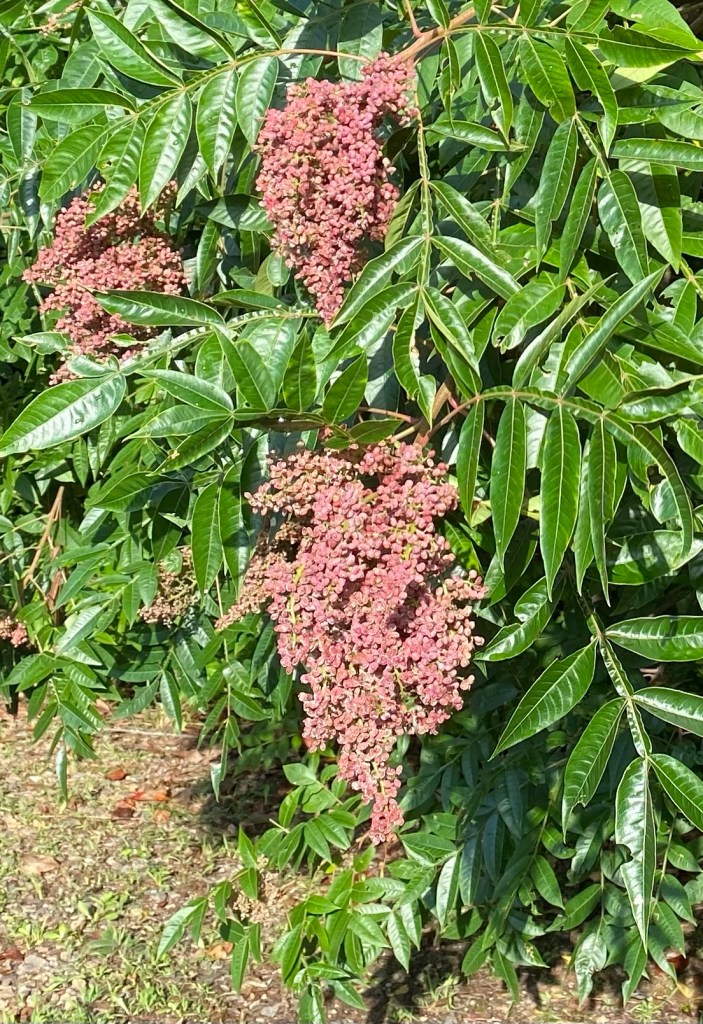
Sumac is one of the best trees for bees and other pollinators because it is native, colonizing, tolerant of many soils as well as drought.
These native plants can be seen on our roadsides with clusters of pink to dark red fruits and compound leaves with brightly colored leaflets.
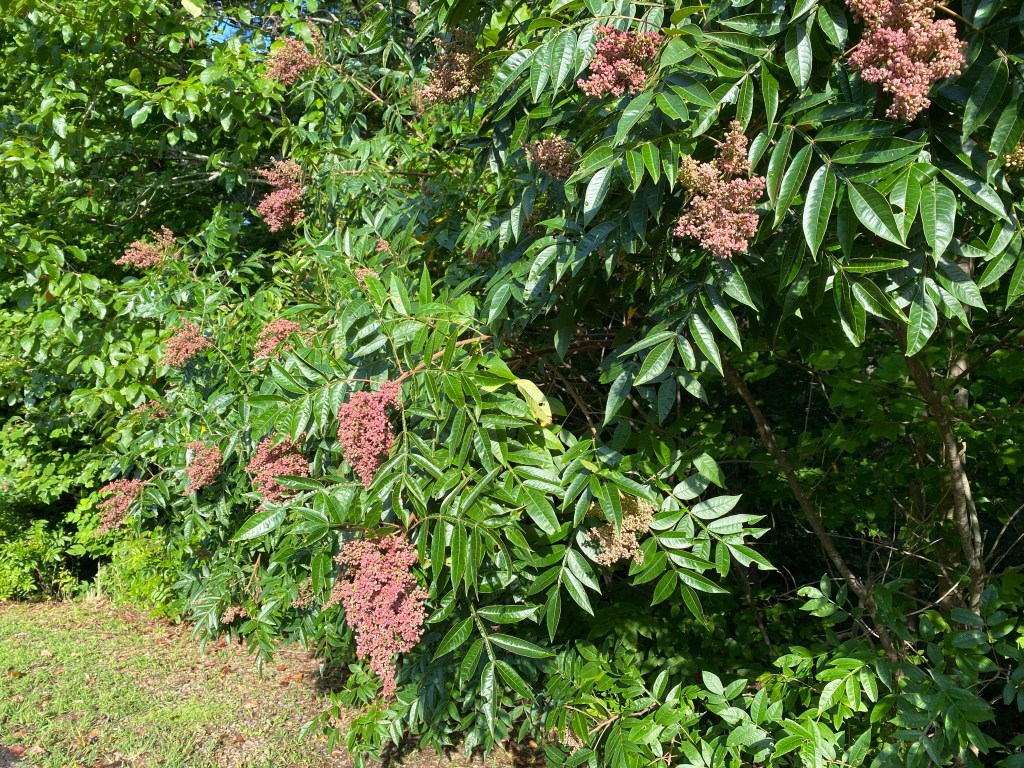
Sumac fruits will be ready for birds in October.
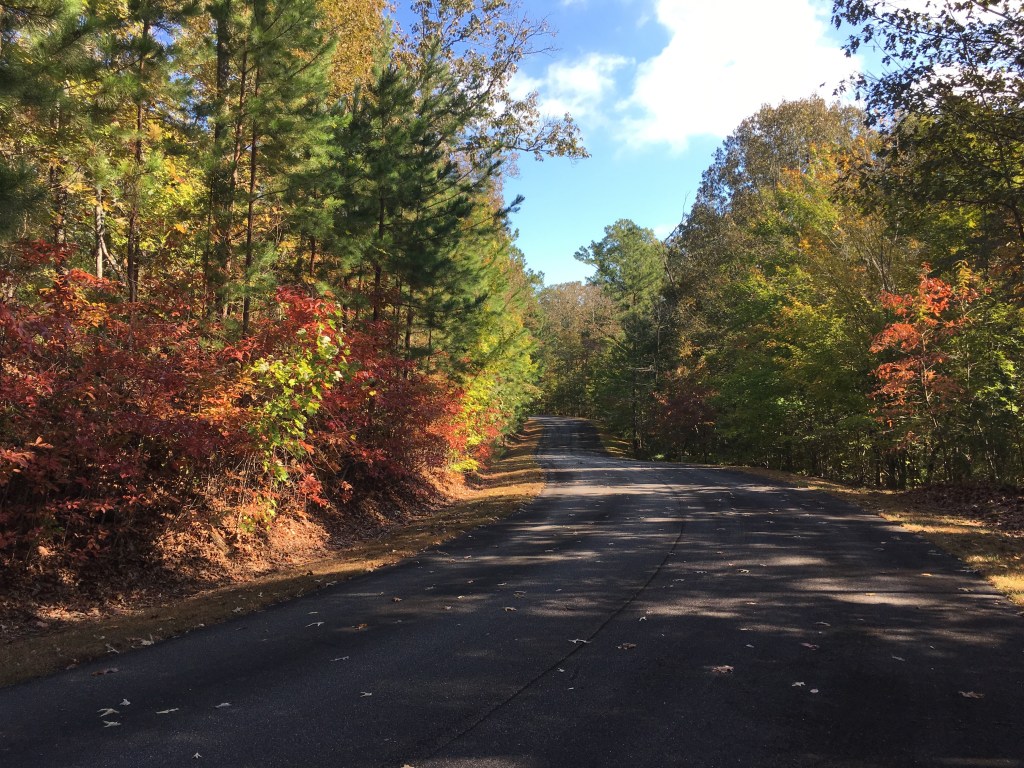
Its red fall color is beautiful here in Tranquility.
August at a Glance: Bears have many ways to stay cool during hot summer days. By August, most cubs are weaned. Cubs can often survive on their own if they have to. Bears feast on ripening berries and may travel great distances to dependable food sources. Bears decipher complex messages left in the scents of other bears.
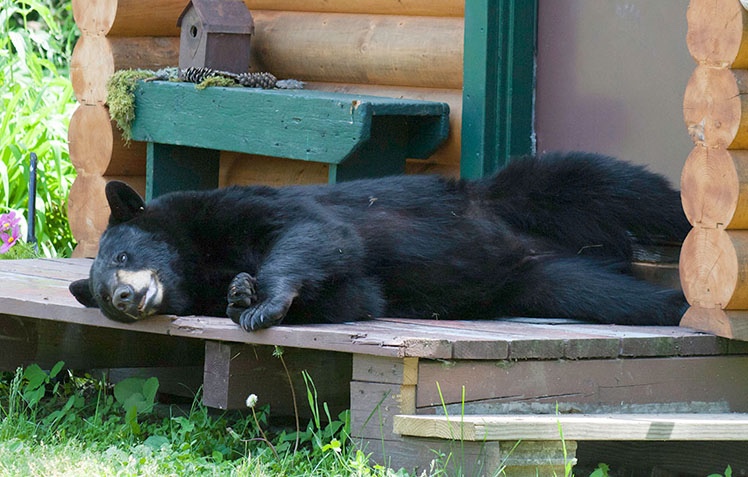
Bears don’t have sweat glands and can’t take off their fur coats, so they can’t cool off the way people do when temperatures soar. However, bears do lose much of the dense underfur that helps keep them warm when temperatures drop. Shedding some of that fur lets air circulate while still “shading’ their skin from the sun. They also pant like dogs and dissipate heat through their paws and other areas with little hair.
Bears avoid the hottest parts of the day and often relax in daybeds under a nice shady tree. They will also spread out on their lightly furred bellies and take a cool mud bath or chill out in a wetland. Bears will sometimes seek shelter from the sun on a cool, shady stone patio, under decks and porches, or in crawl spaces.
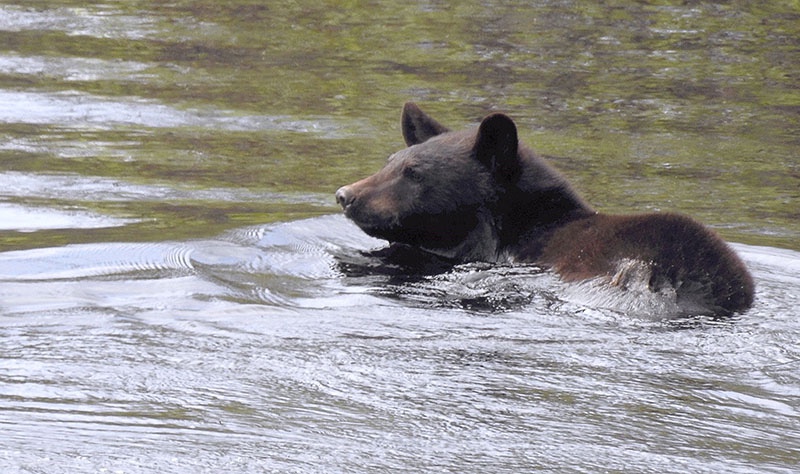
Bears are excellent swimmers and paddle around in lakes and sit in streams to cool off. They’ve also been known to plop down in the kiddie pool or koi pond, run through the sprinklers and do laps in the pool.
Most cubs are weaned during August, giving mom a chance to focus on fattening up herself along with her cubs. Cubs may continue to nurse if they’re permitted to, but it’s time for them to start feeding themselves. Cubs still stick together and follow mom around learning the finer points of foraging. These lessons will be very important next year when they go out on their own.
Cubs born this year typically weigh between 25 and 40 pounds in August and already look quite a bit different from the big-eared, blue-eyed balls of fur and claws that emerged from the den in spring. While most cubs of the year will stay with their moms until next spring, once they are weaned cubs are often capable of surviving on their own if they have to.
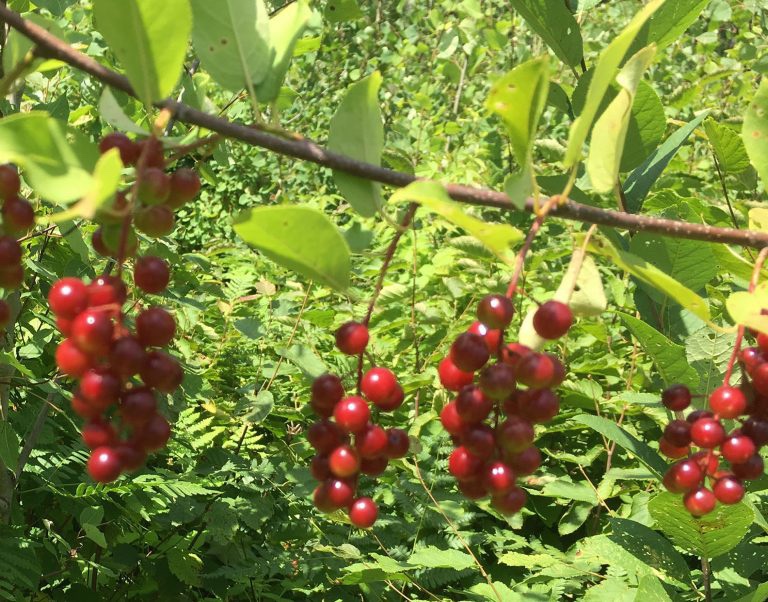
Berries, called soft mast, are a very important food source for bears. Blueberries, raspberries, wild plums, blackberries, pin cherry, chokecherry, crab apples, serviceberries, viburnum, paw paws and other seasonal berries ripen in July and August and persist into September in some parts of the country.
Berries are small and grow in dispersed patches; a pound of most wild berries has fewer than 300 calories. Bears are big and trying to get bigger, so they need to find and eat as many berries as possible. Once a bear finds a good patch it will spend many hours patiently stripping off the berries with its tongue and lips.
In August and September many bears travel extensively throughout and even beyond their home ranges searching for those elusive bumper crops of berries and nuts. How do they know where to go? Some head to reliable sources they’ve used in the past. Some bears rely on other bears to lead the way. A bear’s nose is so sensitive it can decode a lot of information just by sniffing claw marks, tracks and scat. Those scents left behind can help them decide if they want to follow along.
You might think that a bear would naturally go exploring if it was slim pickings at home, but bears seem to have an ability to figure out if a food failure is local or widespread. If it’s local, they will leave. If it was a widespread regional failure, like a late frost or an insect infestation or natural disaster that wiped out berry crops, many bears will actually stick closer to home and explore all their options. That’s because traveling long distances and burning lots of calories for no reward isn’t a good investment of bear energy. So remember to be extra-vigilant if your area has been impacted.
Swimming bear photo courtesy of Minnesota Department of Natural Resources
Courtesy of BearWise® | http://www.BearWise.org
Beech Tree Drive
August 6, 2023
Today at 6:00 at Tranquility Park Pavilion
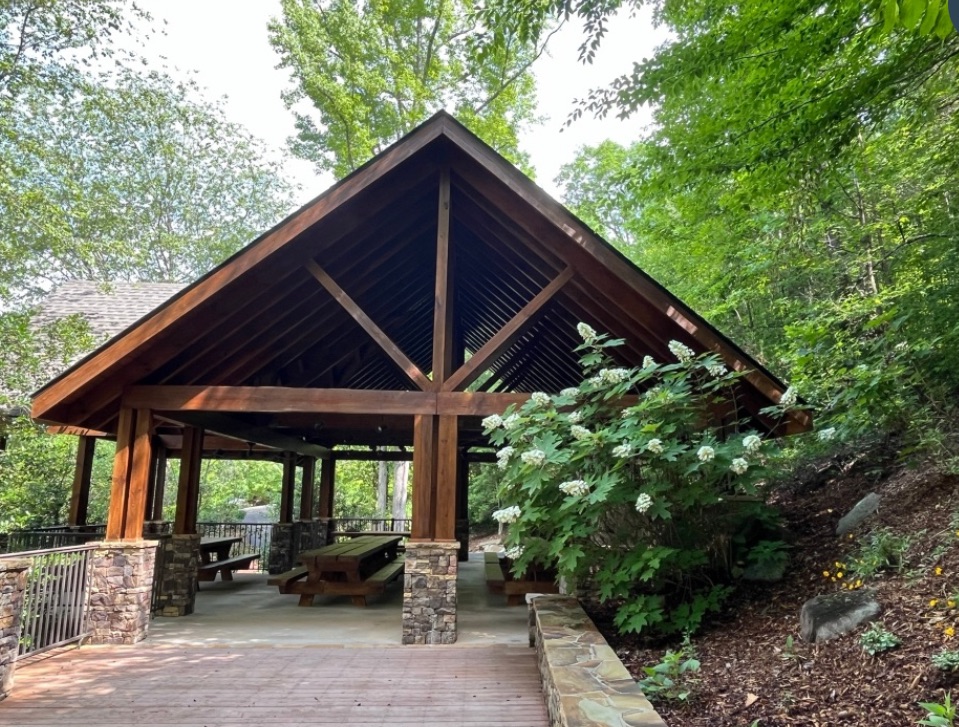
Food and fellowship with our neighbors



A morning walk around our beautiful neighborhood park…
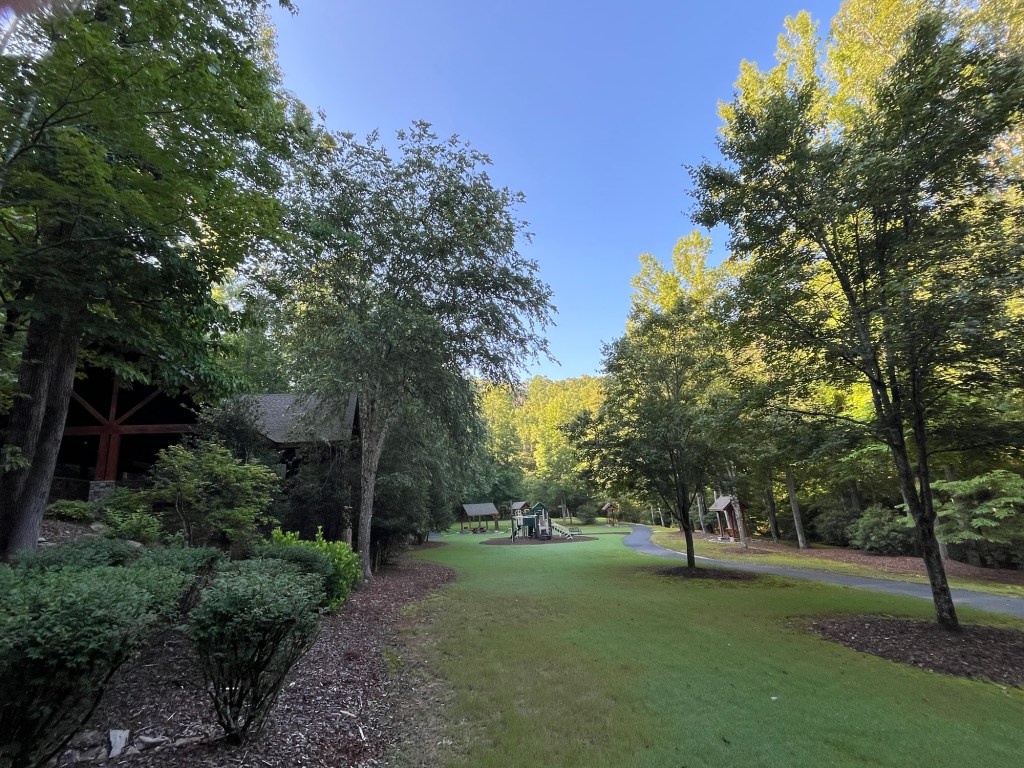
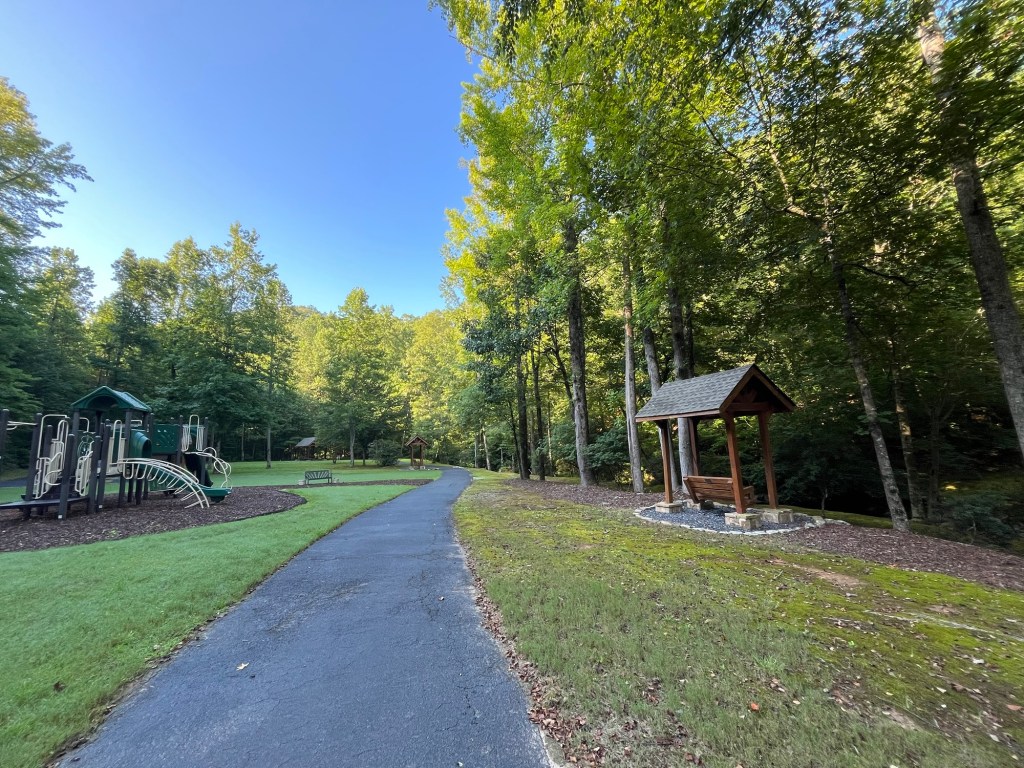
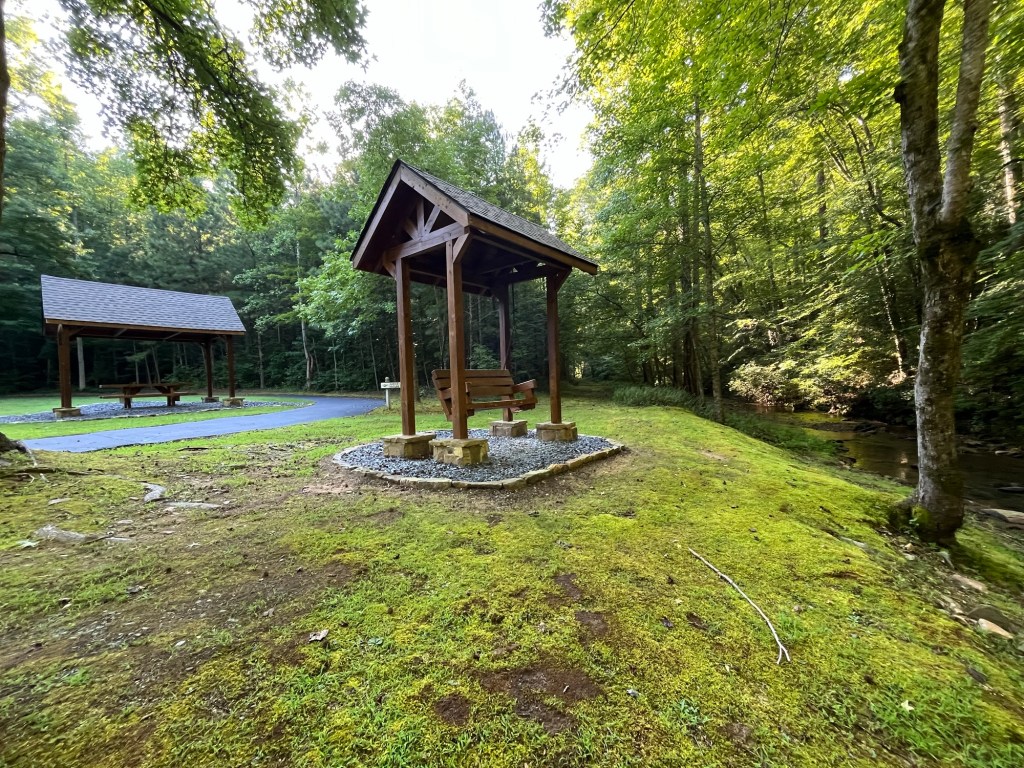
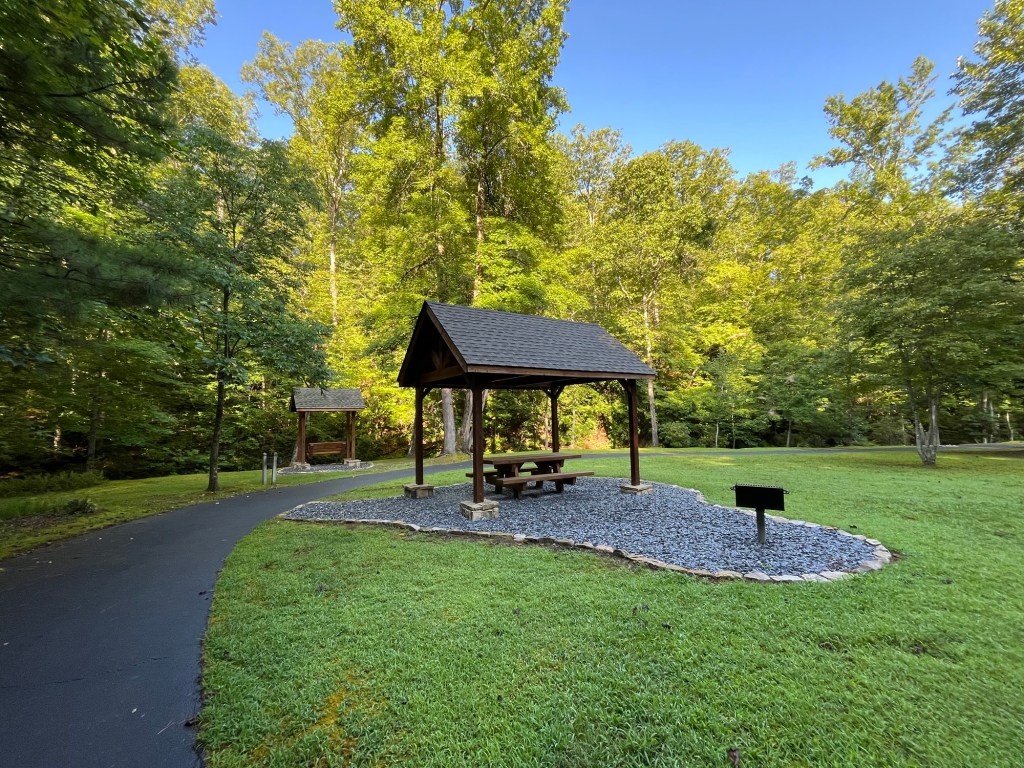
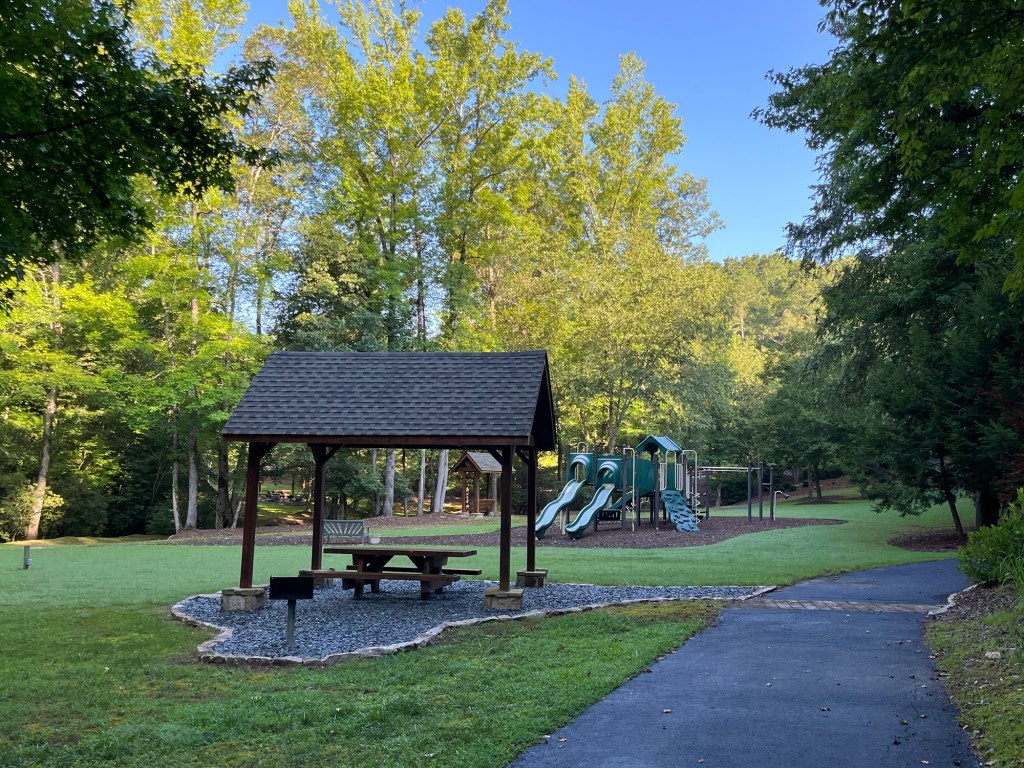
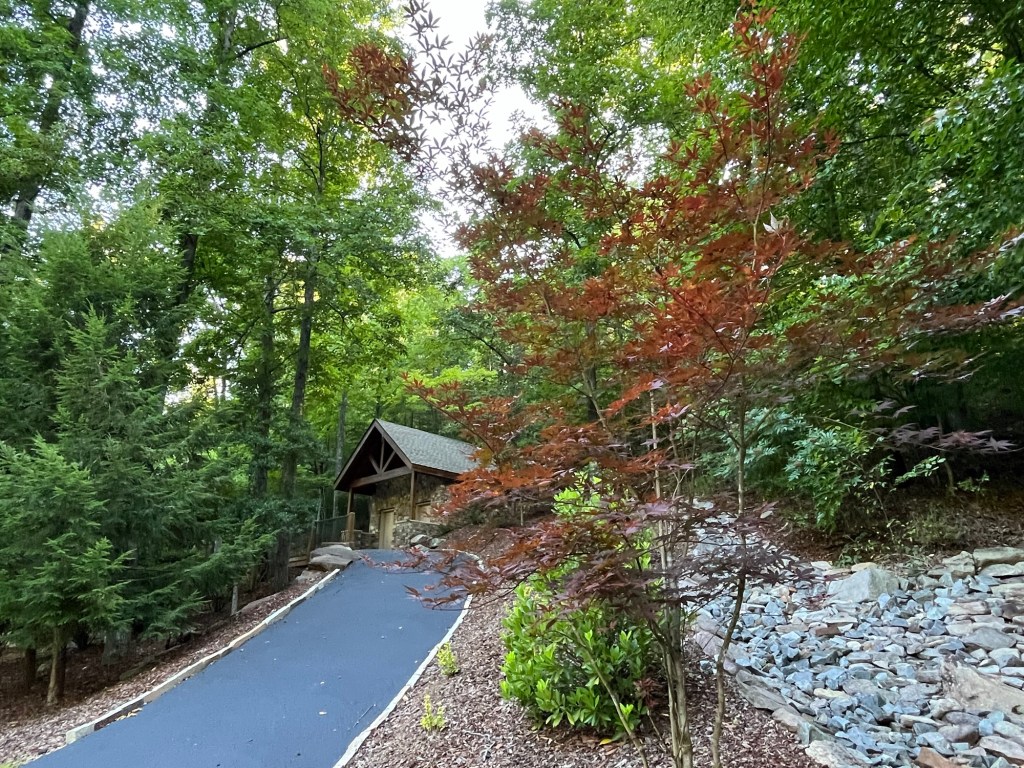
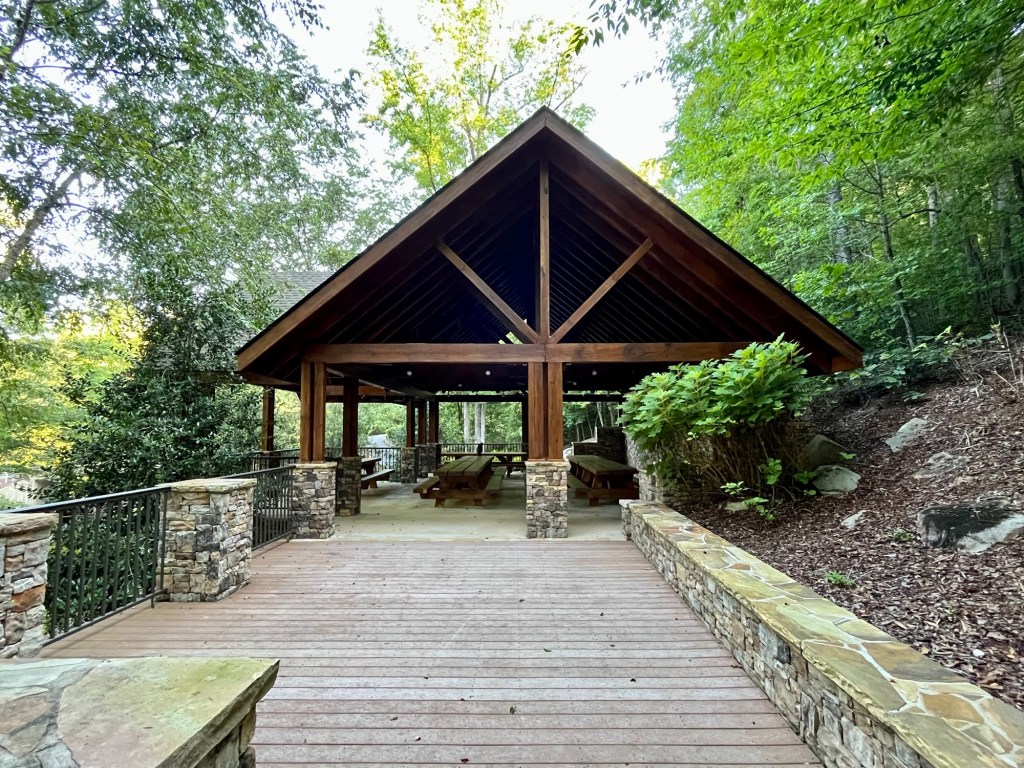

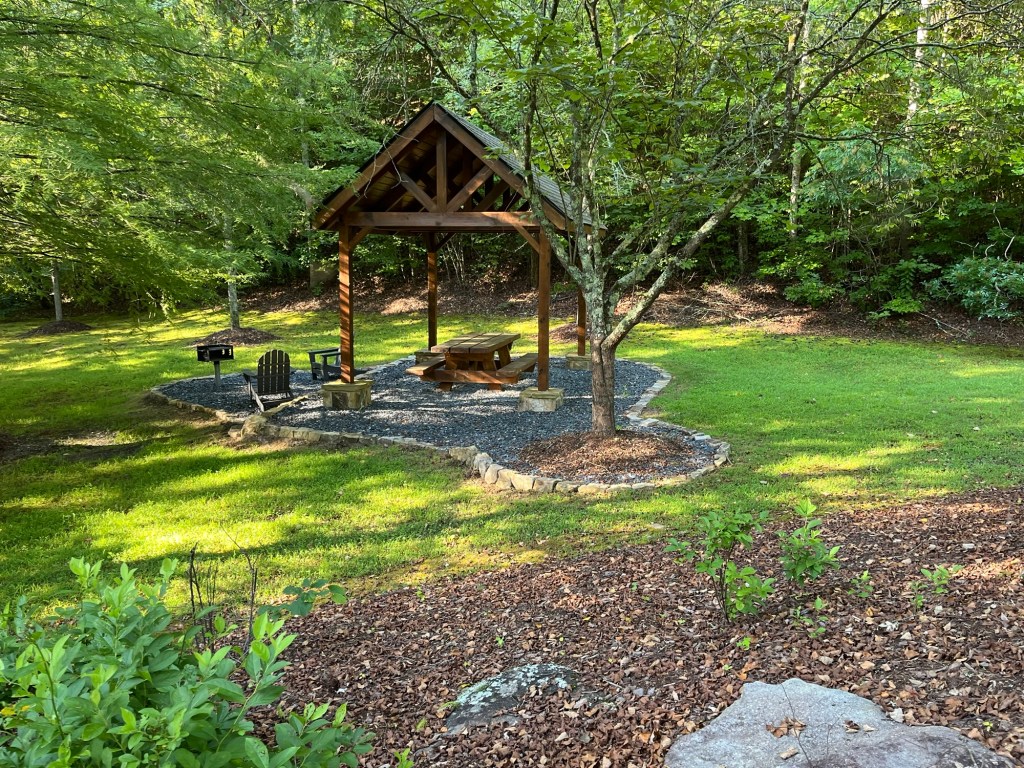
Just down the road…


July at a Glance: By July, cubs born this year have grown to the size of a raccoon or a small dog with big ears. Yearling bears now on their own can be the size of medium dogs. Bears of both sexes mark trees and adult bears mate. Cubs smell their mother’s breath to learn what’s good to eat. Bears’ great memories help them return to proven food sources.
Bears have more than a hundred times as many smell receptors as people do and can follow scent trails a mile or more back to the source. Because bears are omnivores and much of their diet is vegetation, insects and carrion, their sense of super-smell is vital to their survival.
Bears have a much better sense of direction than most people. They can return year after year to wherever they found food, whether it’s the berry patch that ripens in July or the trash that goes out every Thursday night.
Cubs are big enough now to follow mom as she goes foraging for food. If mom is a wild bear, she teaches them what’s good to eat and how to find and eat specific foods. She shows the youngsters how to eat berries, catch fish and dig for insects. She even lets them smell her breath, so they learn to associate certain smells with foods. Yum, termites!
If mom has learned to rely on human food sources, one whiff of mom’s breath will teach the cubs to associate the smells of garbage, pet food, bird seed and more with easy meals. Instead of learning how to forage in the wild, they learn how to raid garbage cans, knock down bird feeders, empty pet food bowls and prowl campgrounds. IF they grow up, they’ll teach their own cubs this same behavior.
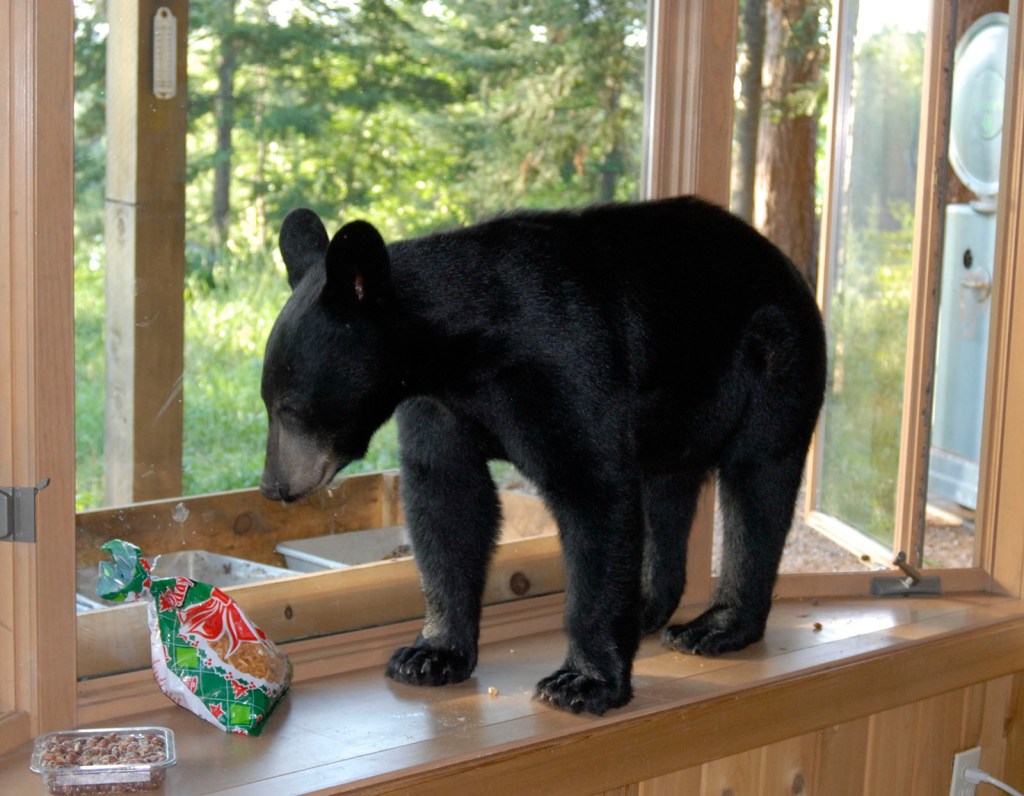
Fun Fact: One way to distinguish yearlings is by their large ears. A yearling bear’s ears are as long as they will ever be, so as the bear gets older and bigger, the ears seem to shrink, but actually the bear’s head is getting larger and wider.
Cubs born this year are usually still with their moms; if they are left alone, they may cry and whimper. Yearlings seldom vocalize, but they do roam around looking for a home range of their own. Female yearlings are often allowed to share their mom’s home range, but males are forced to move out. It may be several years before male yearlings find a permanent home of their own.
Yearlings of both sexes are now trying to find food without their mom’s help. That’s why it’s so important to make sure there’s nothing around your place to attract them. They need to learn to find natural foods if they’re going to grow up wild.
Bears often mark trees, especially in the summer mating season. Bears stand on their hind legs and scratch the trees with their claws and sometimes teeth. Both males and females mark trees. Many researchers believe bears create marker trees to announce they are in the area and let other bears know how big they are. Sometimes males will claw the tree above another male’s markings, as if to say, “I’m bigger than you are.” Bears often deliberately scratch aromatic trees such as conifers, cedars and cherry trees or creosote-soaked poles or structures because the scent created is stronger and carries further than the aroma the bear leaves behind.
Mating often begins in June and goes on throughout July. Mature males may be more active in the daytime now as they travel longer distances throughout their home range. Female bears ready to mate also travel throughout their home range. Bears are very focused on finding mates, so try not to hike alone, pay attention and make noise if you’re out in the woods.
Large male bears chase off younger, smaller rivals but may do battle with other mature males for the right to mate. This is normal mating behavior; both bears may end up with wounds and scars, but even the loser is unlikely to be seriously injured. It’s not safe to approach or interfere. If you are lucky enough to spot two bears that clearly want to be together, just smile and give them some privacy.
Female bears can be ready to mate around age three but may be as old as eight (depending on food availability and conditions). Male bears are also mature at age three but usually must wait longer to mate because the youngsters can’t compete with big mature males.
Bears have more than a hundred times as many smell receptors in their noses as people do and can detect and follow scent trails a mile or more back to the source. Because bears are omnivores and much of their diet is vegetation, insects and carrion (dead animals), their sense of super-smell is vital to their survival.
Bears have a much better sense of direction than most people. Their built-in GPS guides them back year after year to wherever they found food, whether it’s the berry patch that ripens in July or the trash that goes out every Thursday night.
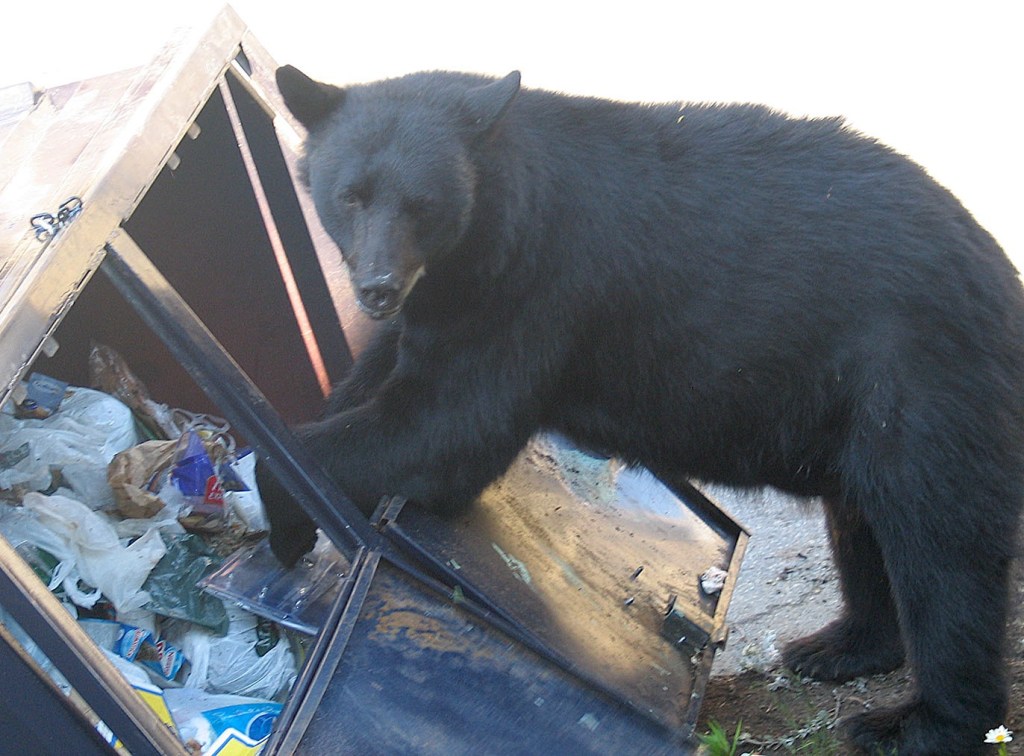
Cubs are big enough now to follow mom as she goes foraging for food. If mom is a wild bear, she teaches them what’s good to eat and how to find and eat specific foods. She shows the youngsters how to eat berries, catch fish and dig for insects. She even lets them smell her breath, so they learn to associate certain smells with foods. Yum, termites!
NOT ALL LESSONS ARE GOOD ONES…
If mom has learned to rely on human-provided food sources, one whiff of mom’s breath will teach the cubs to associate the smells of human food and garbage, pet food, bird seed and more with a full tummy and easy meals. Instead of learning how to forage in the wild, they learn how to raid dumpsters and garbage cans, knock down bird feeders, empty pet food bowls and prowl through campgrounds. IF they grow up, they’ll teach their own cubs this same behavior.
Make it a BearWise Summer. Explore our online resources so you can avoid attracting bears and stay safe at home and outdoors. Thanks for doing your part to keep bears wild.
Courtesy of BearWise®www.BearWise.org


 Tranquility at Carters Lake Owners Association
You must be logged in to post a comment.