Community Maintenance

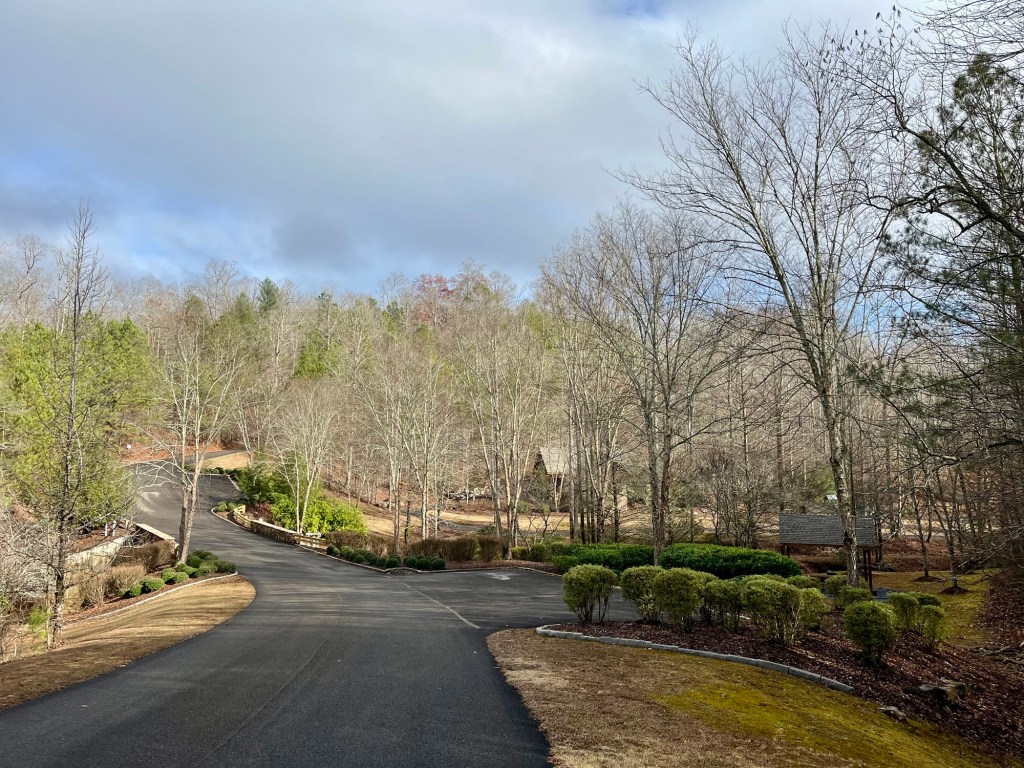
One of the advantages of having an owners association is the maintenance of our community’s common areas.

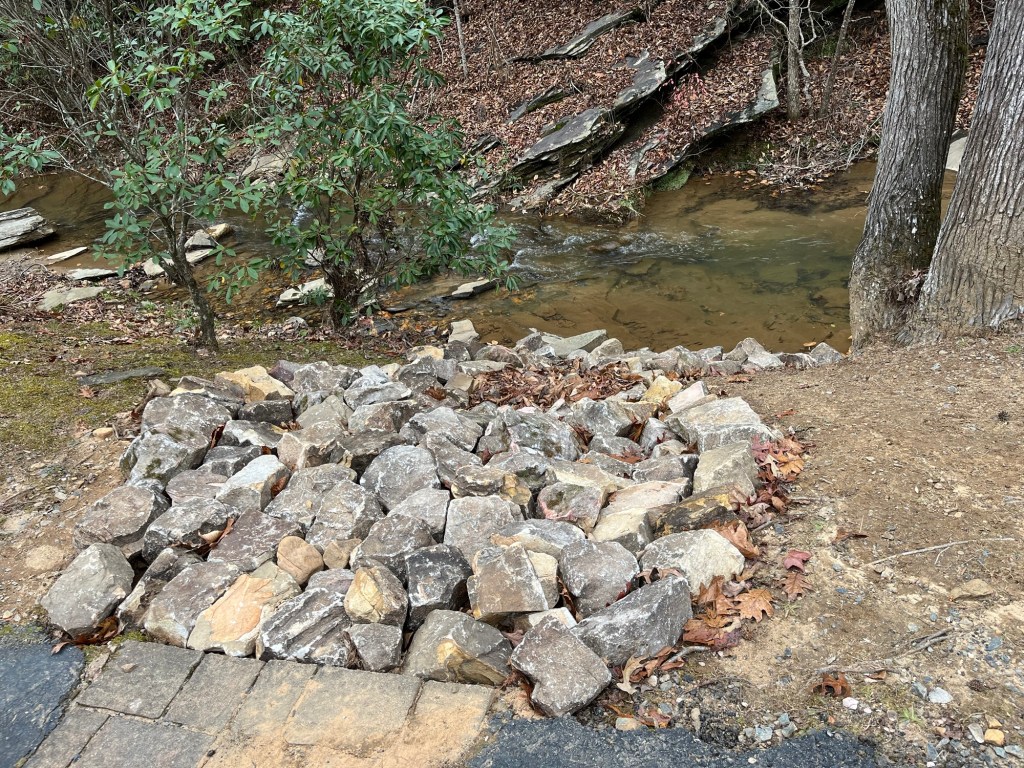
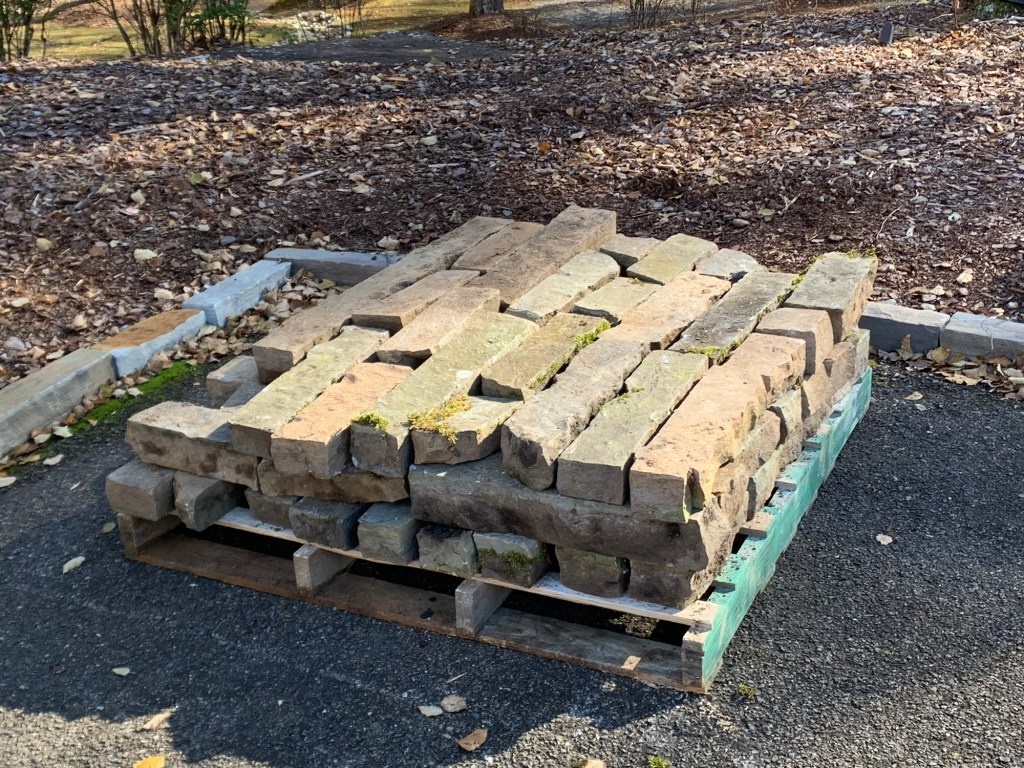
This week roughly 175 feet of ditch line repair and installation of rip rap was completed along Beech Tree Drive.
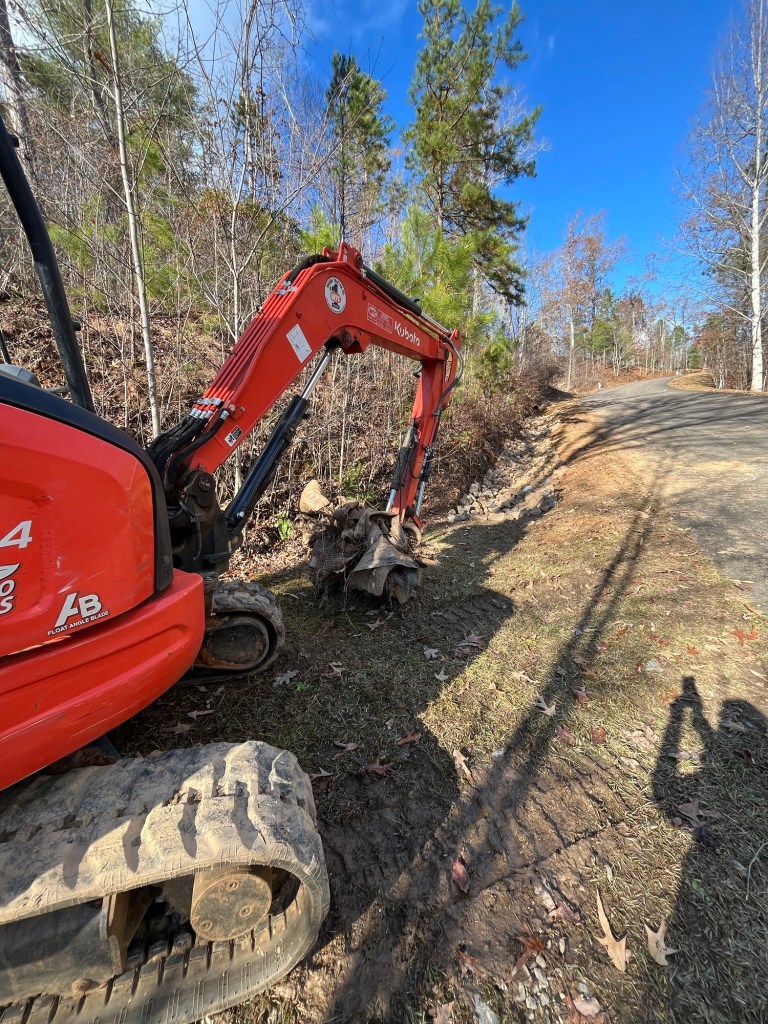
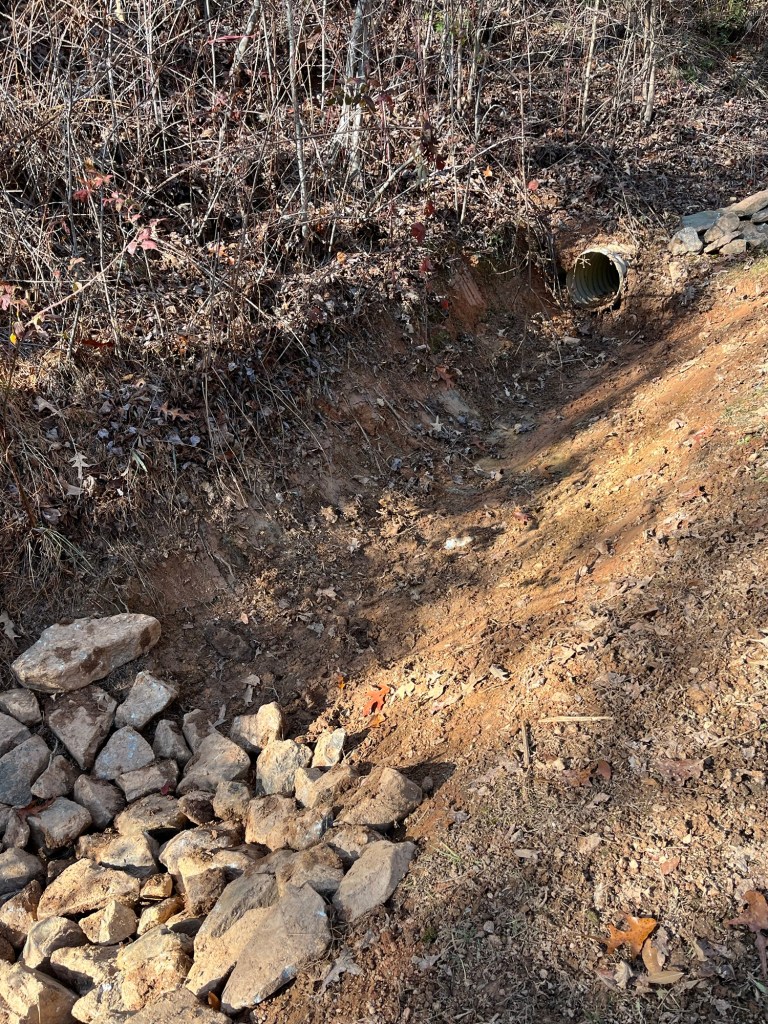
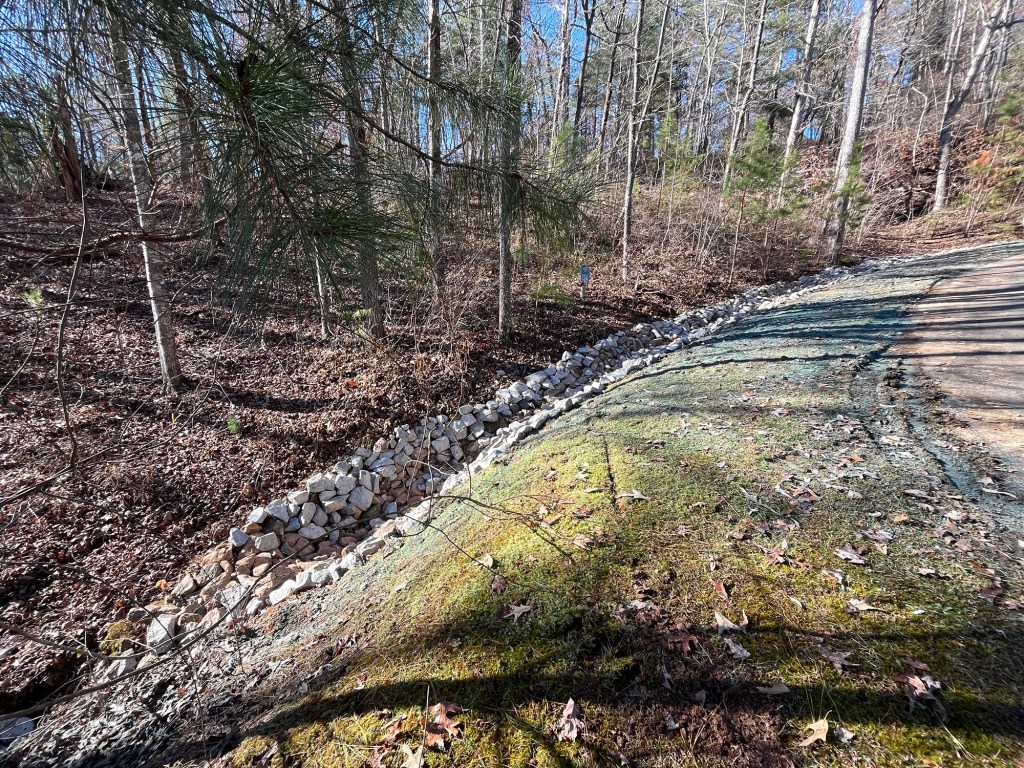


Thank you to our volunteer Board of Directors for the time and effort each of you give to keep our community such a beautiful place to live.

Tranquility Park

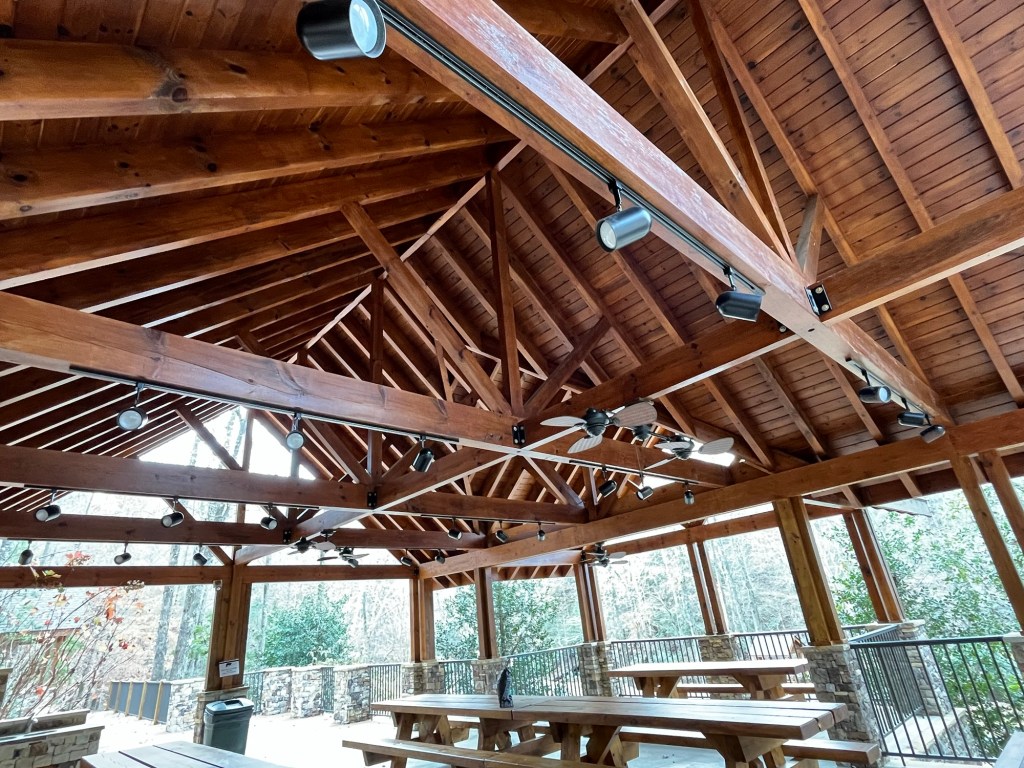
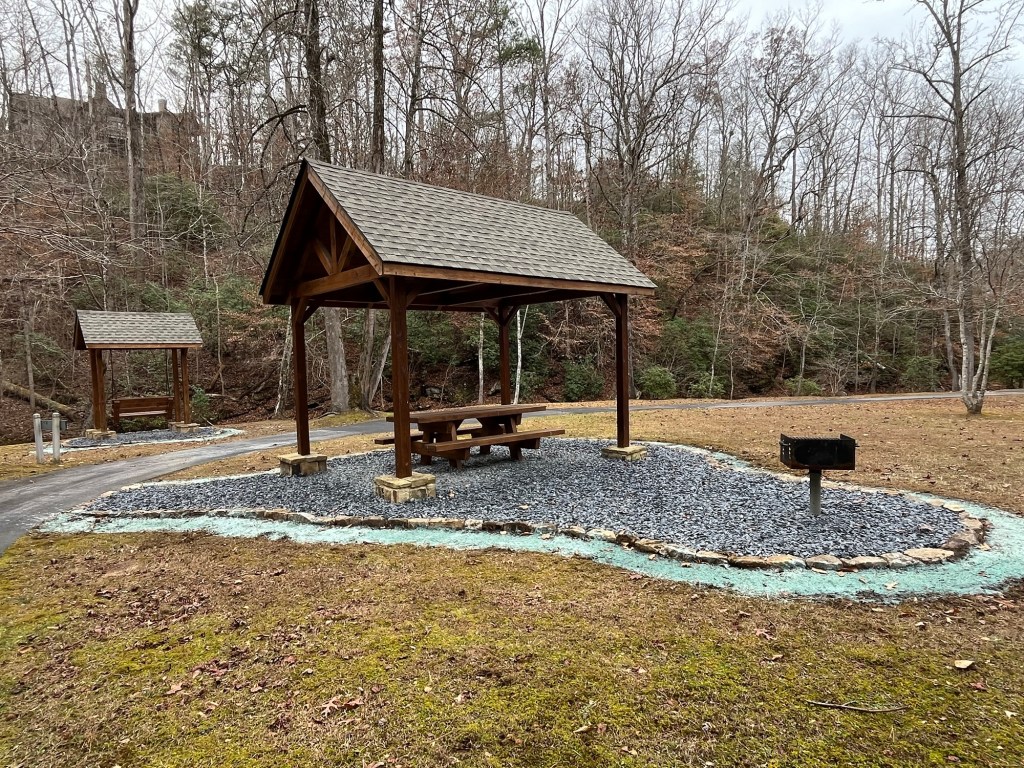
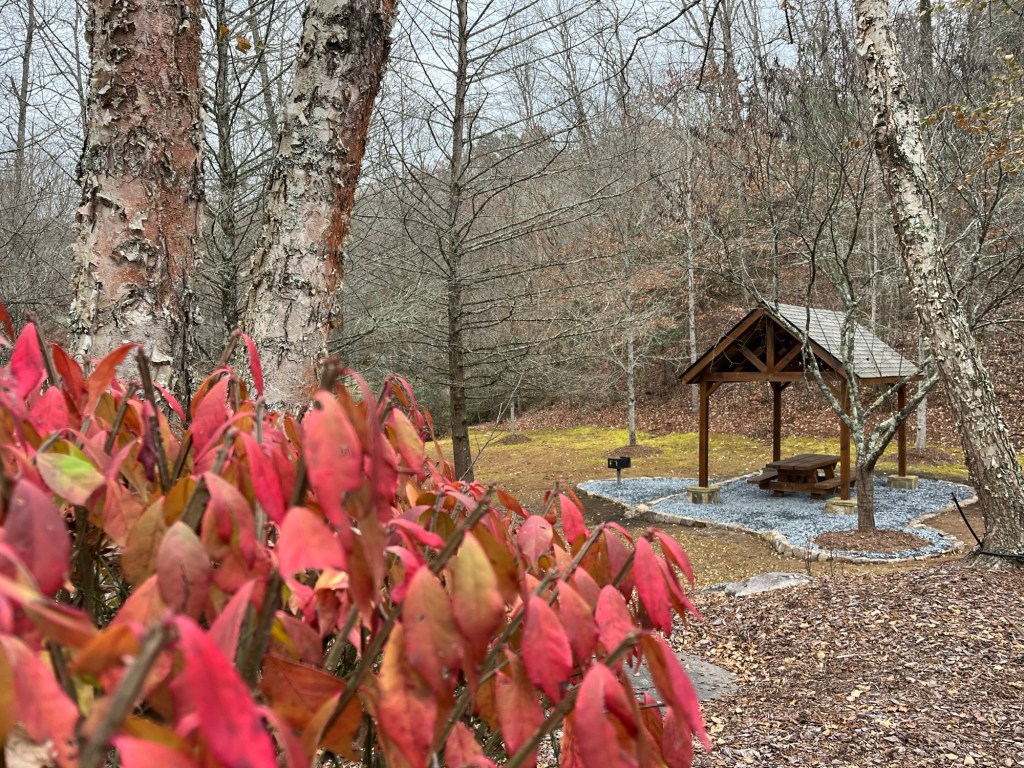
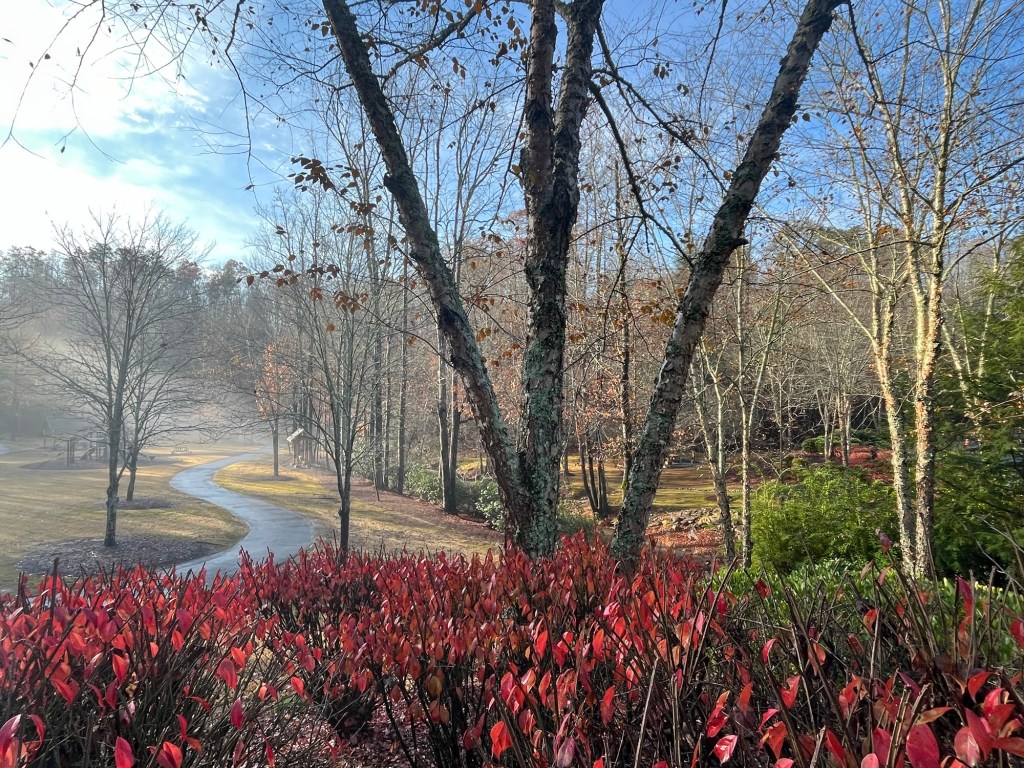
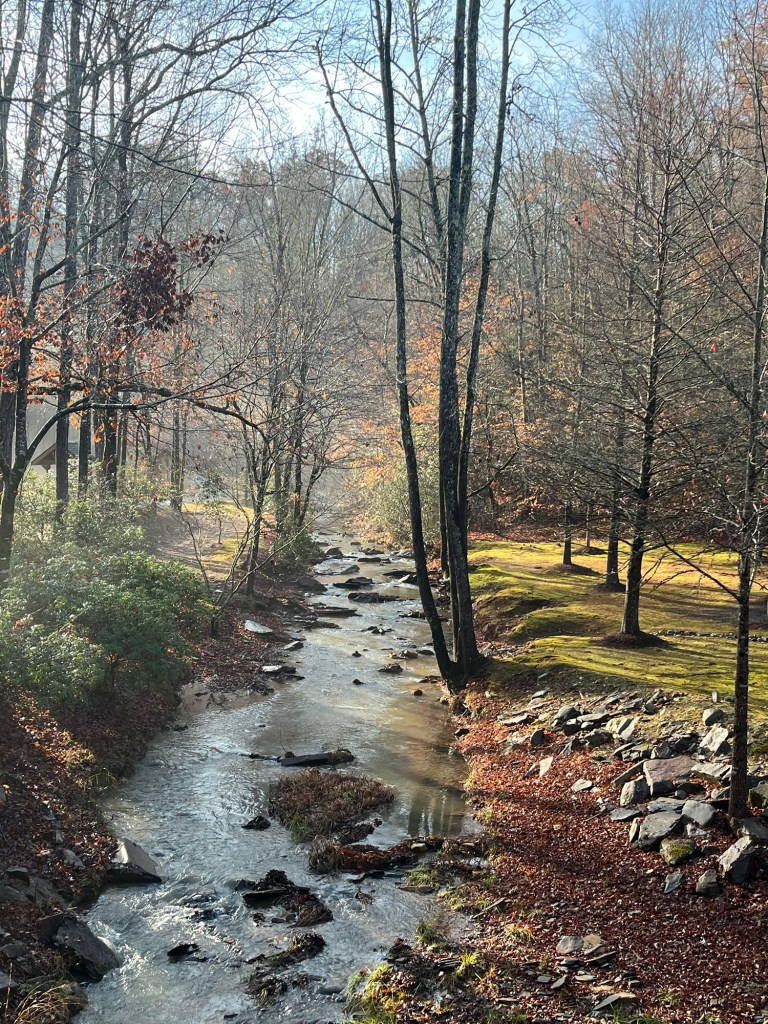
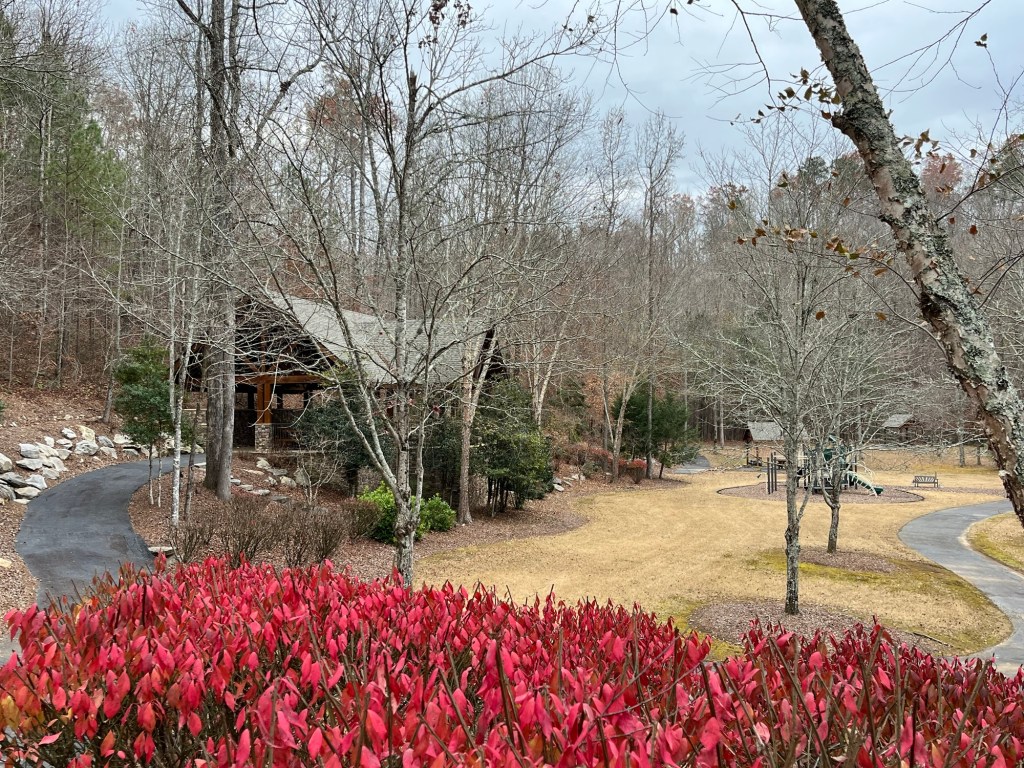
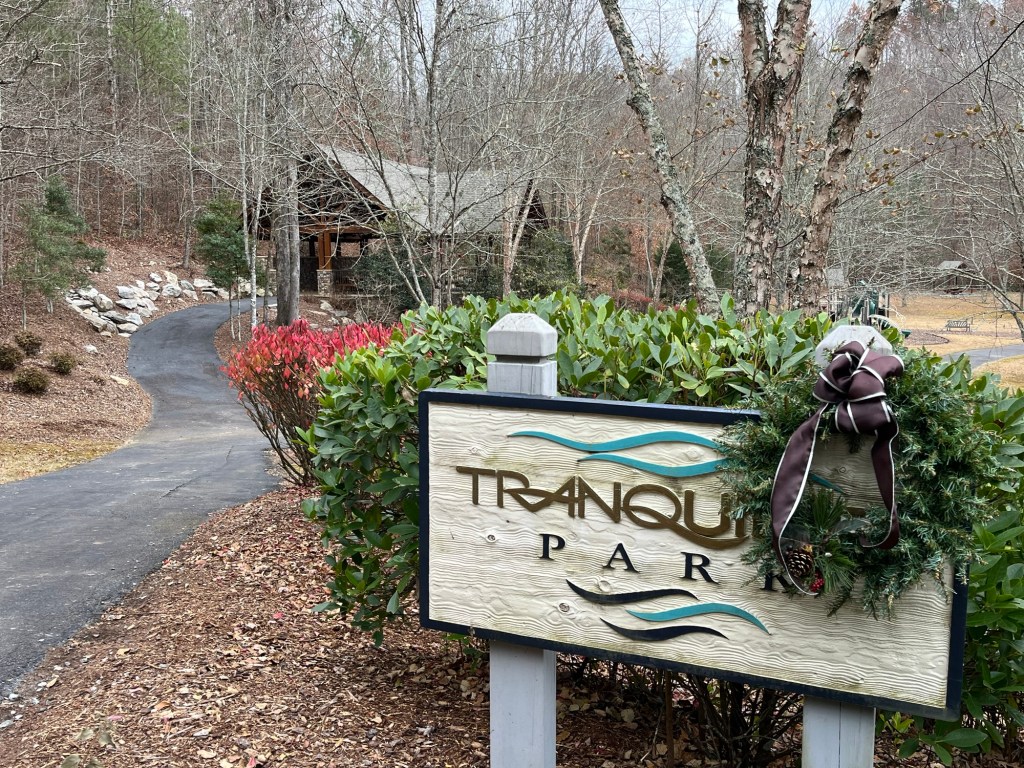
Our beautiful Tranquility Park is located alongside Harris Creek and offers walking trails, a playground, creekside swings, picnic shelters with grills, and a craftsman neighborhood pavilion.
Harris Creek

Progress at the Park

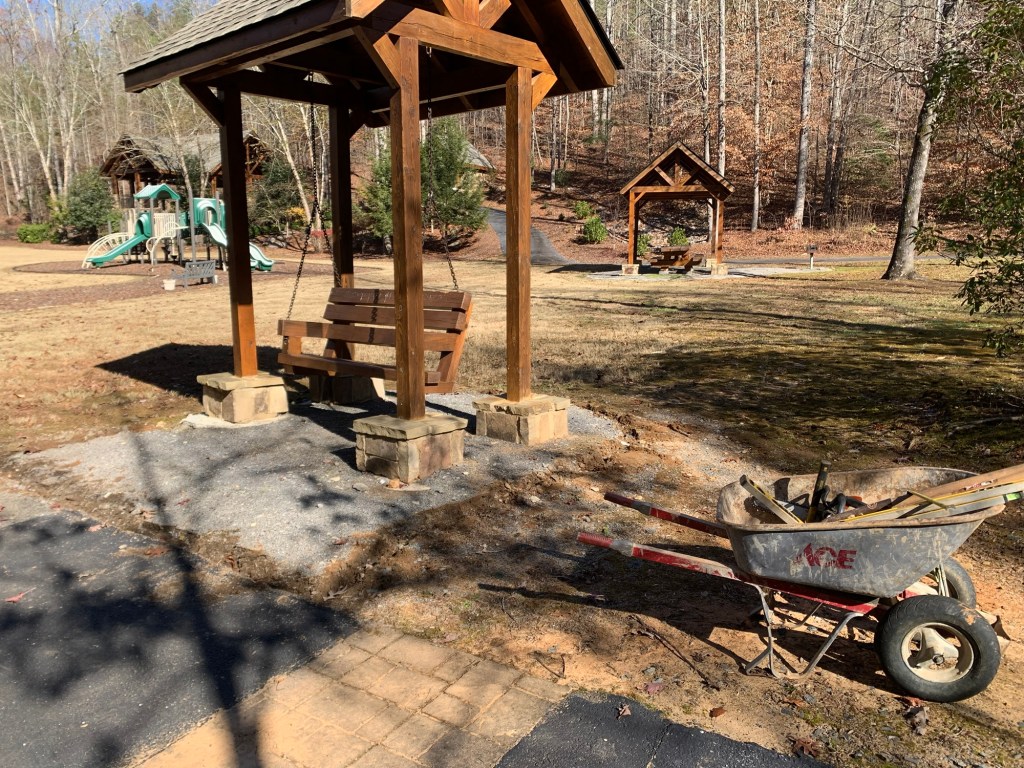
Thank you to our volunteer Tranquility at Carters Lake Board of Directors for overseeing improvements at Tranquility Park.

The project should be completed next week!

Maintenance at Tranquility Park

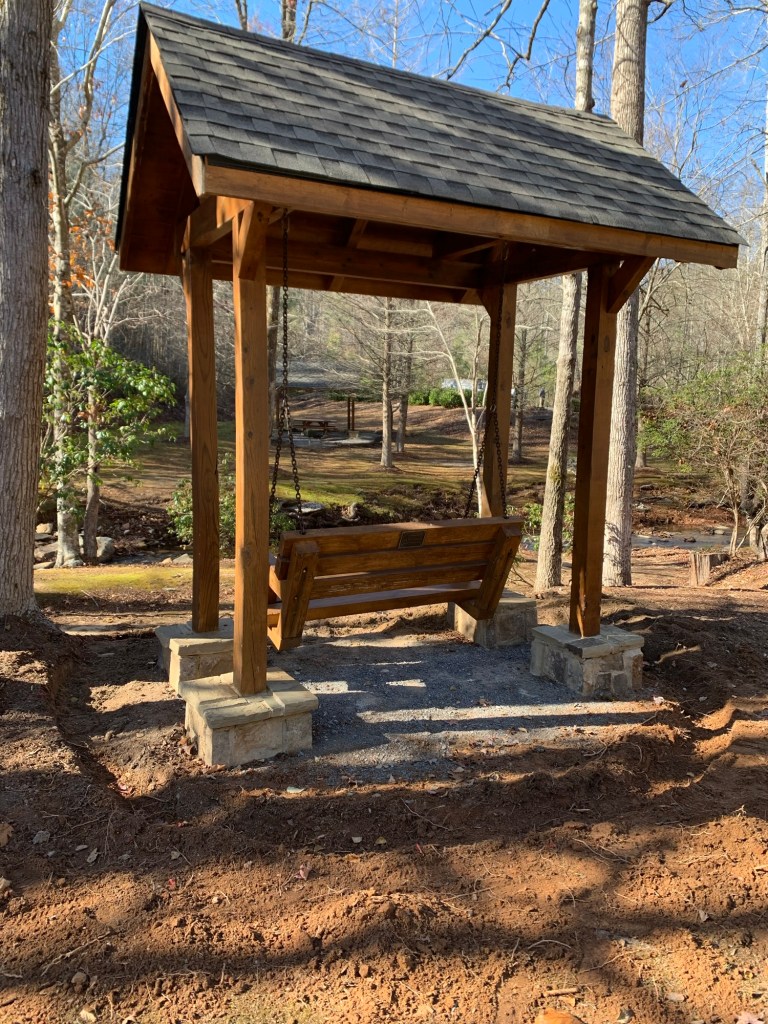
Thank you to our volunteer Tranquility at Carters Board of Directors for overseeing the maintenance which will enhance and strengthen the swings and picnic structures in our beautiful neighborhood park.

⏰When Clocks Fall Back, Accidents Go Up⏰

November, when much of the country goes off daylight savings time, is the most dangerous month for collisions with wildlife. 

Longer nights and shorter days mean people spend more time driving at dawn, dusk and at night, when bears and other wildlife are typically active and harder to see. 

Bears are in hyperphagia in late fall and actively searching for food up to 20 hours a day. This constant quest for calories means bears may be traveling longer distances and crossing roads more often. 

Hitting a bear is scary, dangerous and potentially deadly. People get injured; vehicles are damaged. And every year thousands* of bear are killed or seriously injured on our roadways. 

Drive BearWise

Don’t drive distracted. Stash your cell phone and keep your eyes on the road. Make sure everyone is buckled up.  

Slow down. Scan the sides of the road for tell-tale eyeshine. At night, the large round eyes of a black bear shine close to the ground. White eyeshine a few feet above the ground probably belongs to a deer or elk. 

Bears prefer to cross from cover to cover, so pay extra attention in areas where bushes and trees are close to the road. 

If you see a bear while driving, tap your brakes to alert other drivers, honk your horn and flash your lights. If the bear doesn’t leave the area, stay in your vehicle and wait for it to cross. Cubs of the year are still with their moms, so make sure all get across safely. 

If you do hit a bear, don’t try to help it. An injured bear is still a very powerful animal. Call 911.

Thanks for driving BearWise

…and sharing these important tips with all the drivers you know.

Courtesy of BearWise® www.BearWise.org

Do Bears Really Hibernate?

Some people believe that bears are not true hibernators. Squirrels, bats, rodents, marmots and other true hibernators enter a state close to suspended animation where body temperatures fall close to freezing and metabolisms slow almost to a halt.

A bear’s metabolism, heartbeat and respiration rate drops dramatically, but its body temperatures only drops about 12 degrees during hibernation. They don’t eat at all, nor do they go to the bathroom; bears’ dens are remarkably clean and odor-free … unlike true hibernators who wake up every few days to drink, go to the bathroom and nibble some stored food before going back to sleep.

A bear’s body is a model of recycling. While they’re hibernating, they recycle all of their waste products and actually heal any injuries they may have had when they turned in. So many scientists now call bears “Super Hibernators” because they can fall into a deep sleep for four to six months without eating or drinking, wake up in the spring and head back out into the world.

Why The Long Nap?

Bears don’t necessarily den up because it’s cold; they put themselves to sleep for the winter because food is in short supply. In far northern climates, bears might be in their dens fasting and living off their fat reserves for up to six months. In more temperate climates where natural foods are available longer, they may turn in anytime between November and mid-December, and emerge again in late March or early April.

Bears may den for much shorter periods of time and sleep less deeply if food (natural or human-provided) is available all year. In sub-tropical Florida only pregnant females den up for the short winter; other bears may turn in for just a week or two or not at all.

Life In The Den

Bears in their dens live off the fat reserves they worked so hard over the late summer and fall to acquire. Bears often change their position in the den and may even wander out into the world for brief periods and then go back to sleep. Hibernating mothers-to-be give birth in their dens, nurse their cubs and even clean up after the youngsters while they are “asleep,” something that many of you human mothers can probably relate to.

Never crawl into a bear den; bears wake up very quickly and can swiftly react to danger. And imagine how grumpy you’d be if someone interrupted your long winter’s nap.


Courtesy of BearWise® | www.BearWise.org