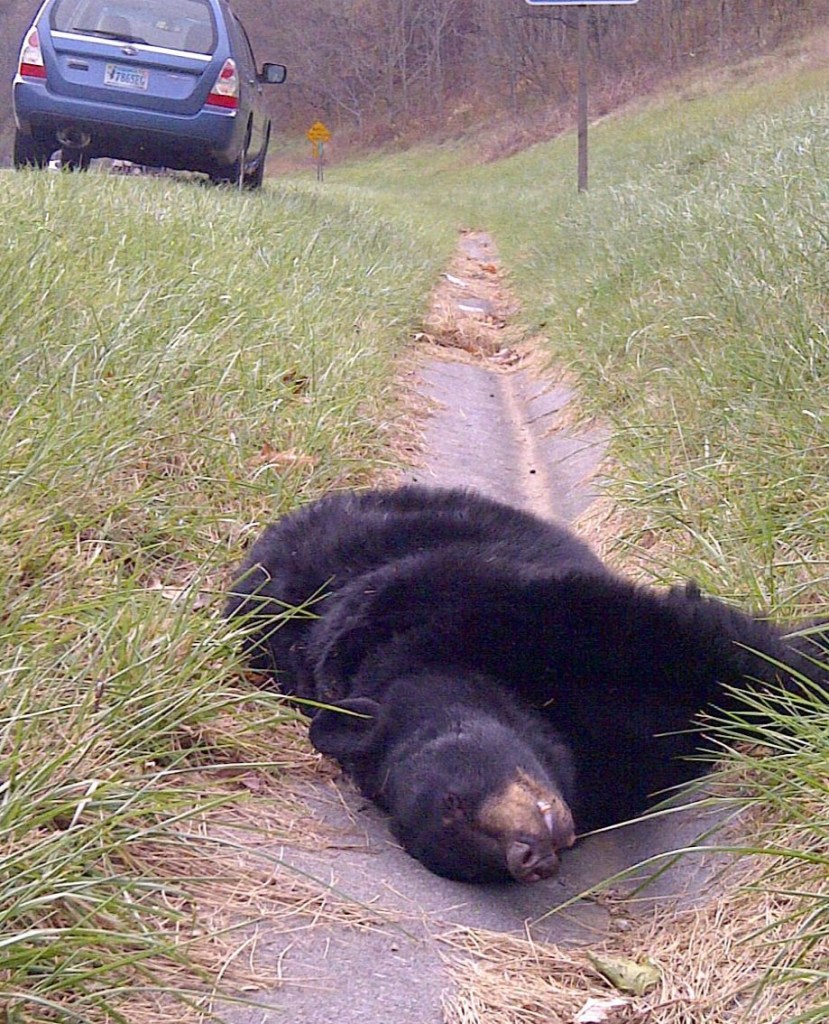
November, when much of the country goes off daylight savings time, is the most dangerous month for collisions with wildlife.
Longer nights and shorter days mean people spend more time driving at dawn, dusk and at night, when bears and other wildlife are typically active and harder to see.
Bears are in hyperphagia in late fall and actively searching for food up to 20 hours a day. This constant quest for calories means bears may be traveling longer distances and crossing roads more often.
Hitting a bear is scary, dangerous and potentially deadly. People get injured; vehicles are damaged. And every year thousands* of bear are killed or seriously injured on our roadways.
Drive BearWise
Don’t drive distracted. Stash your cell phone and keep your eyes on the road. Make sure everyone is buckled up.
Slow down. Scan the sides of the road for tell-tale eyeshine. At night, the large round eyes of a black bear shine close to the ground. White eyeshine a few feet above the ground probably belongs to a deer or elk.
Bears prefer to cross from cover to cover, so pay extra attention in areas where bushes and trees are close to the road.
If you see a bear while driving, tap your brakes to alert other drivers, honk your horn and flash your lights. If the bear doesn’t leave the area, stay in your vehicle and wait for it to cross. Cubs of the year are still with their moms, so make sure all get across safely.
If you do hit a bear, don’t try to help it. An injured bear is still a very powerful animal. Call 911.
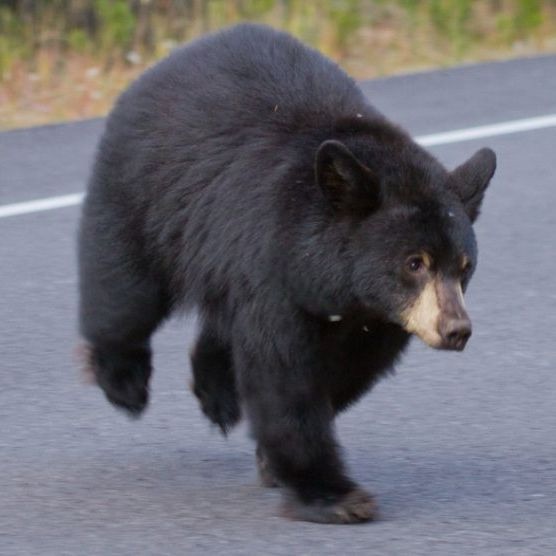
Thanks for driving BearWise
…and sharing these important tips with all the drivers you know.

Courtesy of BearWise® www.BearWise.org
 Tranquility at Carters Lake Owners Association
You must be logged in to post a comment.